Vendor comparison
A Appen alternative for Indian language AI data
Large global crowd platform covering search relevance, annotation and speech. This page sets out where Appen is the right call, where a specialist Indian collection partner is, and the questions to put to both.
- Compared on
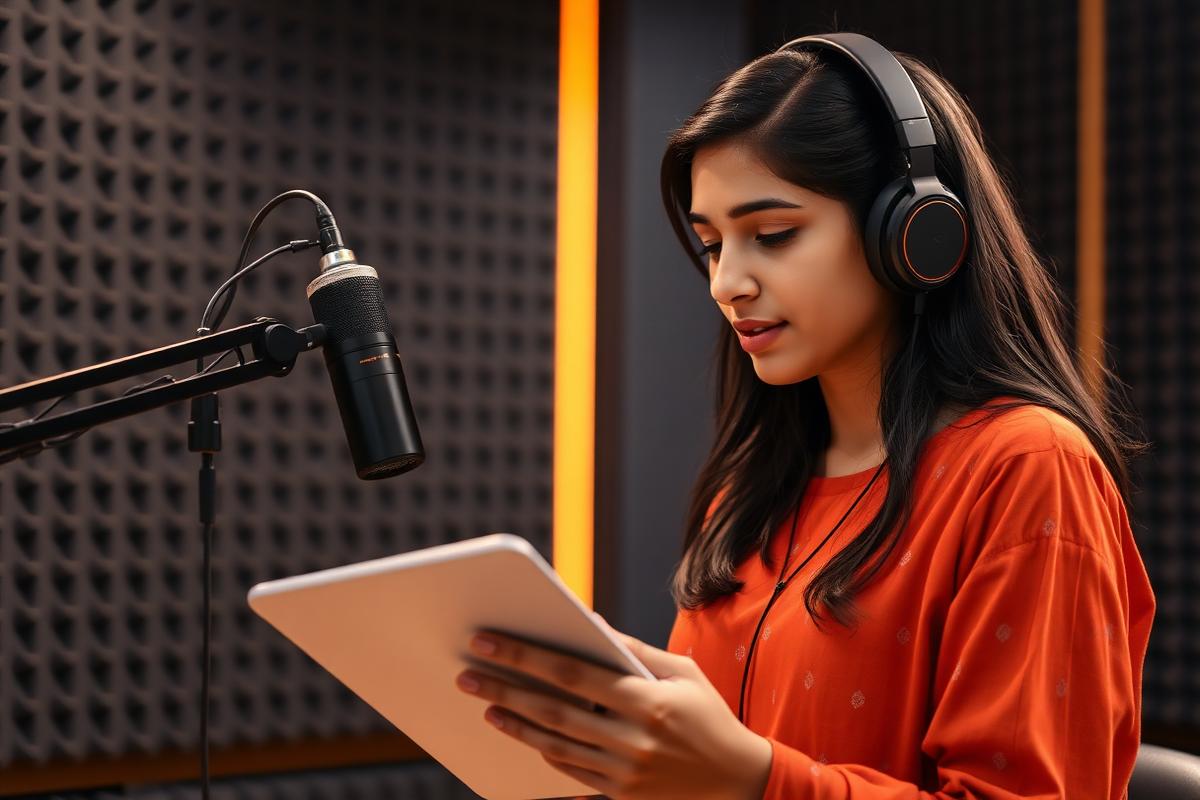
- Indian speech & language data
- Their strength
- Global multi-market programmes where per-language depth matters less than scale.
- Our focus
- 14 Indian languages, native QA
- Contracting
- Direct, single delivery owner
How Appen is built
A publicly listed crowd platform built around a very large distributed contributor base, with speech as one line among search relevance, annotation and evaluation.
Indian-language tasks are routed to the general crowd. Contributors self-report language and region, so dialect quotas are a filter over who happens to be available rather than a recruitment target someone is accountable for hitting.
Contracting with Appen
Platform-style commercial terms with rate cards per task type. Straightforward to start, harder to bend to an unusual specification.
Where Appen is the better choice
Enormous contributor pool and mature tooling for high-volume, low-complexity tasks.
You need many languages at once, the per-language depth requirement is modest, and speed to first data matters more than dialect precision.
Where a specialist India partner fits better
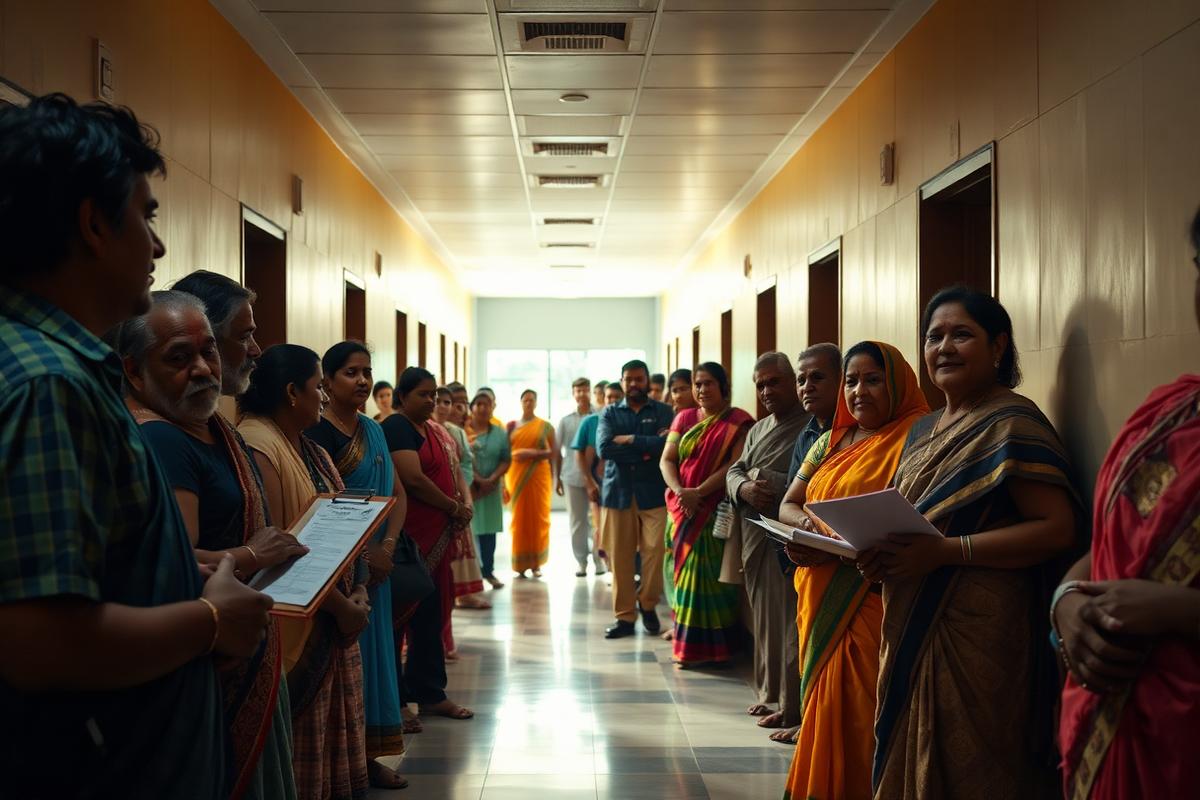
Indian-language work is routed through a general crowd, so dialect quotas and native review depth are hard to guarantee.
Teams typically move when a model underperforms on a specific dialect and the crowd cannot be steered toward it, or when consent documentation has to withstand a legal review.
- Dialect quotas enforced at recruitment, not measured after delivery
- Native reviewers per language rather than a generic annotation crowd
- Studio, quiet-room and field capture in the same programme, in the cities where the dialect actually lives
- One delivery owner with the specification in hand, not an account layer above a subcontractor
Side by side
| Dimension | Appen | aidataservices.in |
|---|---|---|
| Primary model | Large global crowd platform covering search relevance, annotation and speech | Specialist Indian speech and language data collection |
| Indian language depth | Broad coverage, variable per-language depth | 14 Indian languages plus Indian English, dialect-level quotas |
| Speaker recruitment | Platform or partner sourced | Local recruiters in each collection city |
| QA | Largely statistical sampling | Second-pass native review with published agreement statistics |
| Custom cohorts | Limited by platform supply | Specified per project, enforced at intake |
| Licensing | Varies by contract | Perpetual licence, full IP transfer on delivery |
Questions worth asking any vendor
- Who physically records the audio, and are they employed by you or subcontracted?
- How is a dialect quota enforced during recruitment rather than reported afterwards?
- What is the second-pass review rate, and what inter-annotator agreement do you publish?
- What happens commercially when a batch fails acceptance?
- What consent language did participants actually sign, and can it be audited?
- Who owns the data and the model trained on it, in writing?
How to run a fair evaluation
Run the same 10-hour pilot specification with two vendors and compare on measurable things: quota compliance, transcription accuracy against a blind re-transcription of the same 30 minutes, metadata completeness and how failures were handled.
A pilot answers in three weeks what a procurement questionnaire never will.
We are happy to be one of two vendors in a paid pilot. It is the most honest comparison available, and it costs less than a mis-specified production run.
Frequently asked
Is this a Appen replacement?
Not universally. For global multi-market programmes where per-language depth matters less than scale., they are a reasonable choice. For Indian-language speech corpora with dialect quotas and native review, a specialist partner is usually faster and more accurate per rupee.
Can you work alongside our existing vendor?
Yes. Many buyers keep a global vendor for breadth and use us for Indian-language depth, delivering into the same schema so both feeds merge cleanly.
How quickly can you start?
A pilot specification can be signed and in recruitment within a week; first recorded batches usually land in weeks two to three.
What about pricing versus a global platform?
Per-unit rates are typically comparable or lower, and total cost is usually lower because far less material is rejected or re-collected.
Related pages
Compare us against Appen on a real spec
Send the specification you are already shopping around. You get a like-for-like scope, timeline and price.