Use case
Indian Language Data for TTS Voice Building
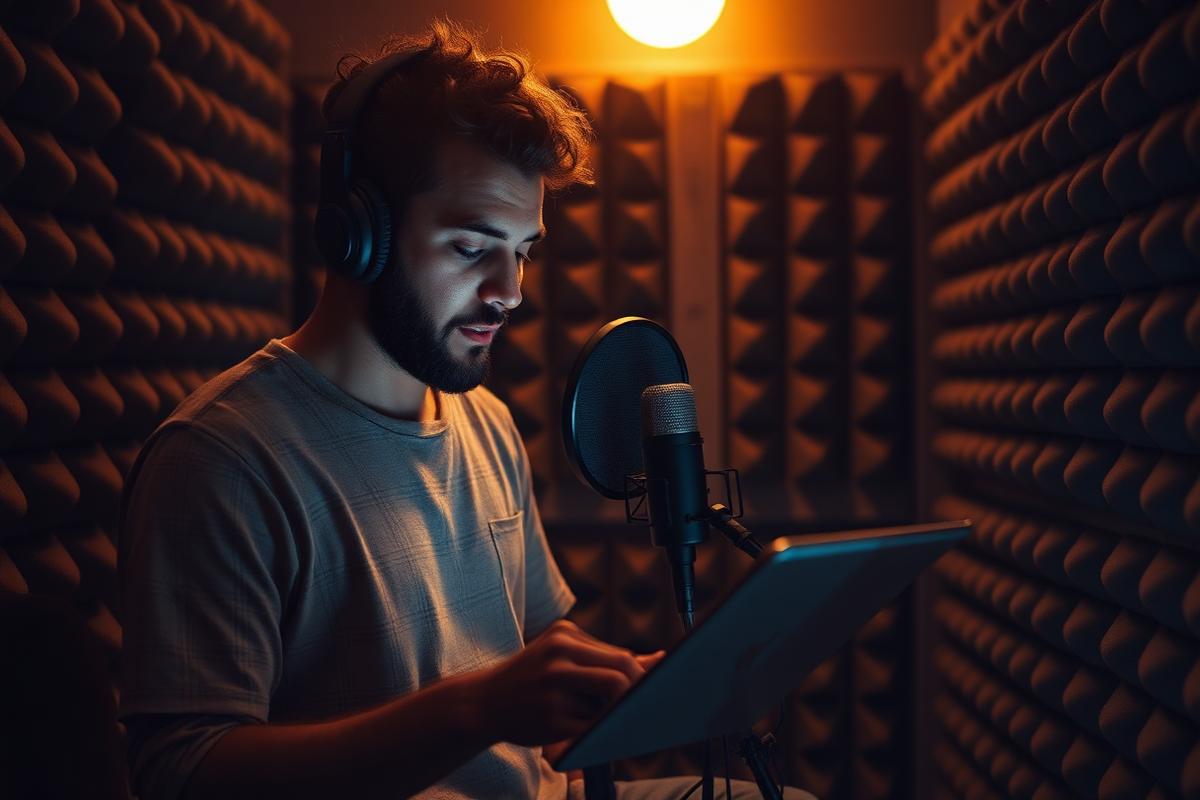
Creating a natural synthetic voice in an Indian language, from casting through to a trainable studio corpus.
- Primary metric
- MOS naturalness
- Data shape
- 10-40 hours from one speaker, or multi-speaker sets
- Languages
- 14 + Indian English
What the data has to look like
- 10-40 hours from one speaker, or multi-speaker sets
- Phonetically balanced scripts
- Session-consistent acoustics
How the result is measured
- MOS naturalness
- Pronunciation accuracy on loanwords and names
- Prosody stability across long utterances
Where these projects go wrong
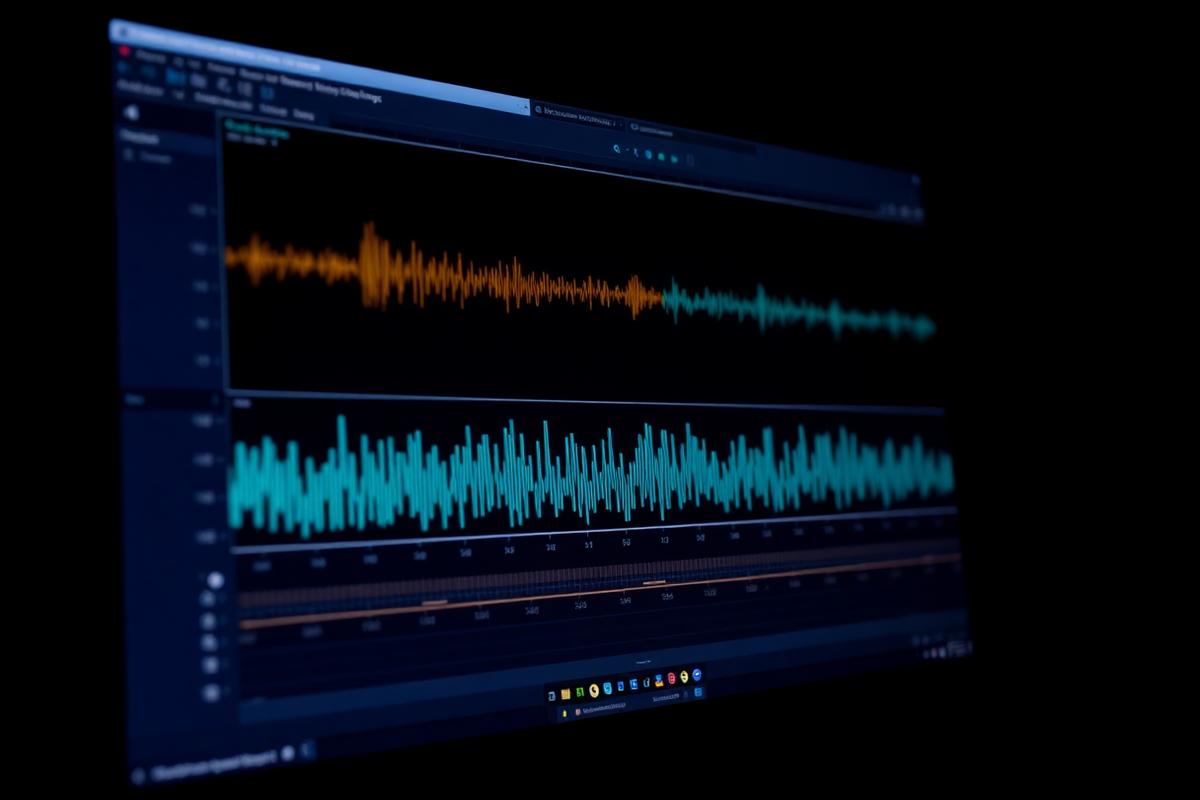
- Session drift between recording days
- Scripts that under-cover rare phonemes
- Uncleared voice-talent licensing
Each of these is a defect that only becomes visible after training, when re-collection costs a release cycle.
How we scope it
A tts voice building programme starts from the metric you need to move, not from an hour count. We work backwards: target metric, evaluation set design, then the training volume and speaker spread needed to reach it.
That means the evaluation set is specified and collected first, from speakers who never appear in the training data.
The numbers we hold ourselves to
- 100% of delivered files pass automated technical QA for SNR, clipping, duration and silence
- 5-25% of files pass a second native-speaker content review, stratified by city, dialect and transcriber, and escalating to 100% on any batch that fails the agreed threshold
- Accepted yield runs 85-90% for scripted speech, 60-70% for spontaneous, 55-65% for conversational and 50-60% for telephony
- Default cohort quotas: 50/50 gender, with age bands at 30% (18-25), 40% (26-40) and 30% (41-60)
- 48 kHz / 24-bit capture, delivered as 16-bit PCM WAV, with studio sessions held below a -50 dBFS noise floor
- First response within one working day; a scoped, fixed quote within two to three
These are the figures a delivery is measured against, not aspirations. A batch that misses them is re-recorded at our cost rather than repaired.
Frequently asked
How much data does tts voice building need?
It depends on whether you are training from scratch or adapting a base model. Adaptation typically needs a tenth of the volume, but needs tighter matching to your deployment conditions.
Can you build the evaluation set too?
Yes, and it should be collected from disjoint speakers before training data collection finishes, so you can measure improvement rather than memorisation.
Which languages do you support for this?
All 14 languages in the network plus Indian English accent bands. Multi-language programmes run to one shared specification so results are comparable.
Scope a tts voice building dataset
Tell us the metric you need to move and the languages in scope.