Domain data
How do you collect in-car voice data in India?
Updated 2026-08-01 · 4 min read
Short answer
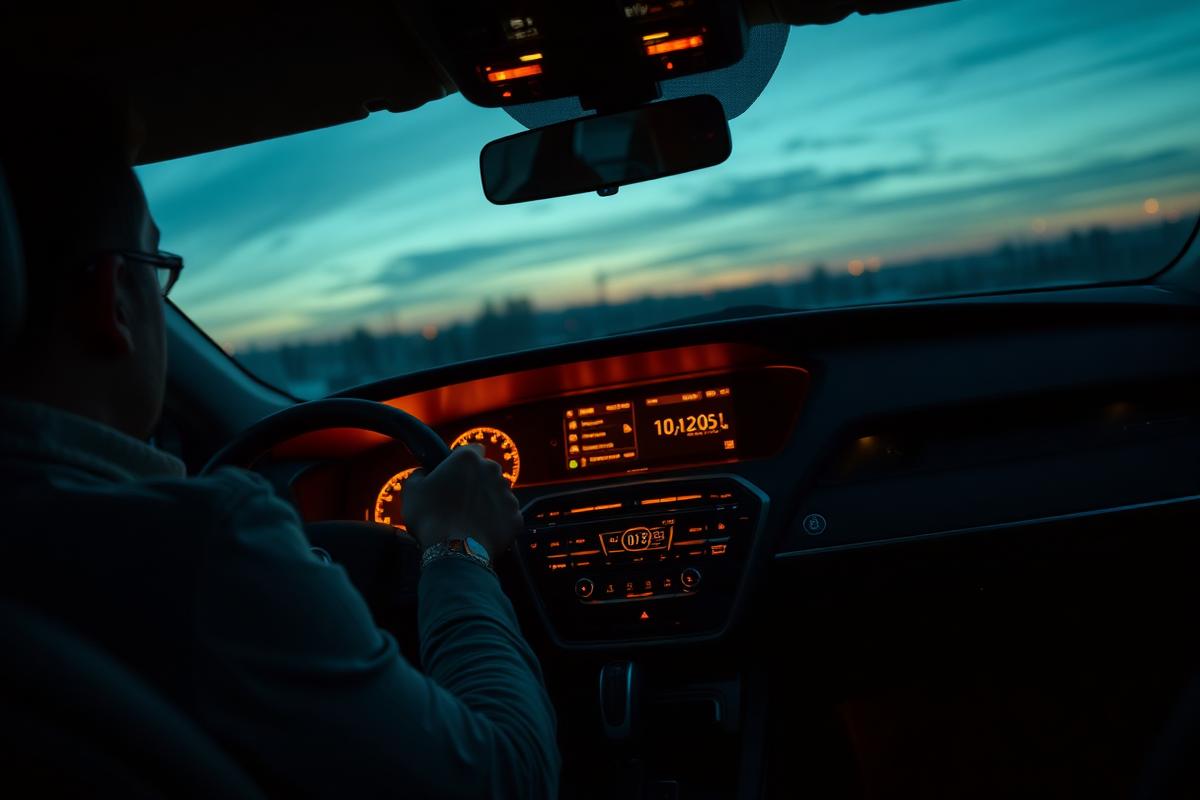
In-cabin voice data must be recorded in moving vehicles, at the microphone positions the car actually uses, across the road, traffic and weather conditions of the market. Indian conditions add horn-dense traffic, open windows, rough road surfaces and multi-passenger cabins, none of which are reproduced by adding road noise to studio audio. Collect across vehicle classes, seat positions and speeds, with parallel close-mic reference where possible, and include the multilingual command set your users will actually speak — usually a regional language with English command words embedded.
Key takeaways
- Record in motion, at the car's real mic positions, in the target market's traffic.
- Indian cabins are multi-passenger and multilingual; single-speaker studio data misses both.
- Command sets are code-mixed even when the interface language is set to English.
Conditions to cover
Vehicle class, speed band, window state, air-conditioning state, road surface, traffic density and rain. Each changes the noise profile materially, and the combinations are what the model meets.
Microphone placement
Record at the production microphone position and geometry. Data captured on a handheld mic in the same car is a different acoustic problem.
Multi-speaker cabins
Indian cars frequently carry several passengers, so the corpus needs cross-talk, back-seat speech and passenger interruption, plus labels that identify who the system should respond to.
Command language
Users mix English command words into regional-language sentences. Collect the code-mixed form rather than a clean monolingual command list, and include the mispronunciations and reformulations users actually produce.
Frequently asked questions
How do you collect in-car voice data in India?
In-cabin voice data must be recorded in moving vehicles, at the microphone positions the car actually uses, across the road, traffic and weather conditions of the market. Indian conditions add horn-dense traffic, open windows, rough road surfaces and multi-passenger cabins, none of which are reproduced by adding road noise to studio audio. Collect across vehicle classes, seat positions and speeds, with parallel close-mic reference where possible, and include the multilingual command set your users will actually speak — usually a regional language with English command words embedded.
Conditions to cover?
Vehicle class, speed band, window state, air-conditioning state, road surface, traffic density and rain. Each changes the noise profile materially, and the combinations are what the model meets.
Microphone placement?
Record at the production microphone position and geometry. Data captured on a handheld mic in the same car is a different acoustic problem.
Multi-speaker cabins?
Indian cars frequently carry several passengers, so the corpus needs cross-talk, back-seat speech and passenger interruption, plus labels that identify who the system should respond to.
Related reading
Turn this into a dataset specification
Tell us the languages, speaker count and minutes. You get a written scope, a protocol and a fixed price within one working day.