Model & data planning
How much training data do you need for voice biometrics?
Updated 2026-08-01 · 4 min read
Short answer
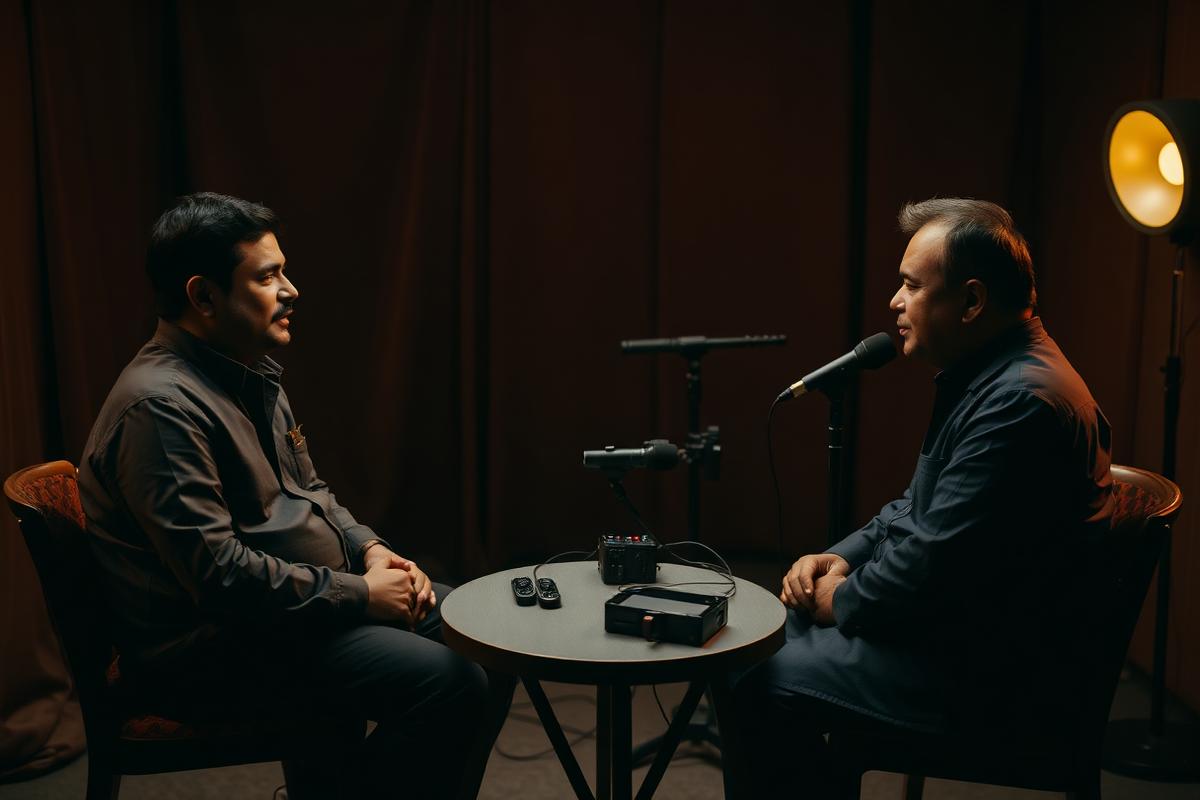
For voice biometrics, volume matters less than composition. Speaker verification and anti-spoofing systems that must work across Indian languages and telephony channels. The corpus profile that works is many sessions per speaker across days and channels, same-speaker channel variation, optional spoof and replay sets. Start with a pilot sized to move equal error rate, cross-channel eer measurably, confirm the gain on held-out data recorded under deployment conditions, then scale the configuration that worked rather than scaling everything.
Key takeaways
- Success is measured on equal error rate, cross-channel eer, spoof detection rate.
- The most common failure is one session per speaker, which makes intra-speaker variability unmodellable
- Data profile: many sessions per speaker across days and channels, same-speaker channel variation, optional spoof and replay sets.
What the model actually needs
Speaker verification and anti-spoofing systems that must work across Indian languages and telephony channels.
- Many sessions per speaker across days and channels
- Same-speaker channel variation
- Optional spoof and replay sets
Metrics that tell you when you have enough
Collect against a metric, not against a number of hours. When a pilot batch moves the metric and a second batch of the same profile moves it less, you are at the point where composition, not volume, is the constraint.
- Equal error rate
- Cross-channel EER
- Spoof detection rate
Common mistakes
- One session per speaker, which makes intra-speaker variability unmodellable
- No channel variation
A sensible collection sequence
| Phase | Volume | Purpose |
|---|---|---|
| Pilot | 10–20 hours | Validate format, acoustics and annotation against your pipeline |
| First production batch | 100–300 hours | Move the primary metric and expose composition gaps |
| Targeted top-up | 50–150 hours | Fill the specific dialects, conditions or edge cases the eval exposed |
| Evaluation set | 5–20 hours | Held-out, deployment-condition data never used for training |
Services that supply this data
This use case is normally served by speech data collection, call centre speech data. Most programmes combine two of them, because raw collection without matched annotation rarely moves an applied metric on its own.
Hold back an honest evaluation set
Reserve deployment-condition data that never enters training. Teams that evaluate on data recorded in the same sessions as their training data consistently overestimate real-world performance, then discover the gap after launch.
Frequently asked questions
What data profile suits voice biometrics?
Many sessions per speaker across days and channels, Same-speaker channel variation, Optional spoof and replay sets
Which metrics should we track?
Equal error rate, Cross-channel EER, Spoof detection rate
What goes wrong most often?
One session per speaker, which makes intra-speaker variability unmodellable
Can we start small?
Yes. A 10–20 hour pilot delivered in your ingest format is the standard first step, and it usually exposes format or annotation mismatches that would have been expensive at volume.
Related reading
Turn this into a dataset specification
Tell us the languages, speaker count and minutes. You get a written scope, a protocol and a fixed price within one working day.