Data design
Should you collect scripted or spontaneous speech data?
Updated 2026-08-01 · 4 min read
Short answer
Collect both, in a ratio set by your deployment. Scripted speech gives phonetic coverage cheaply and is the right base for TTS and for early ASR bootstrapping. Spontaneous speech carries the disfluencies, false starts, filler words and natural prosody that real users produce, and models trained only on read speech degrade sharply the first time someone hesitates. A common production split is 40% scripted for coverage and 60% spontaneous or conversational for realism, inverted for TTS where scripted material dominates.
Key takeaways
- Scripted data buys phonetic coverage; spontaneous data buys robustness.
- TTS corpora are scripted-heavy; ASR and voice-assistant corpora are spontaneous-heavy.
- Read speech has systematically different prosody and speaking rate from conversation — models notice.
What scripted speech gives you
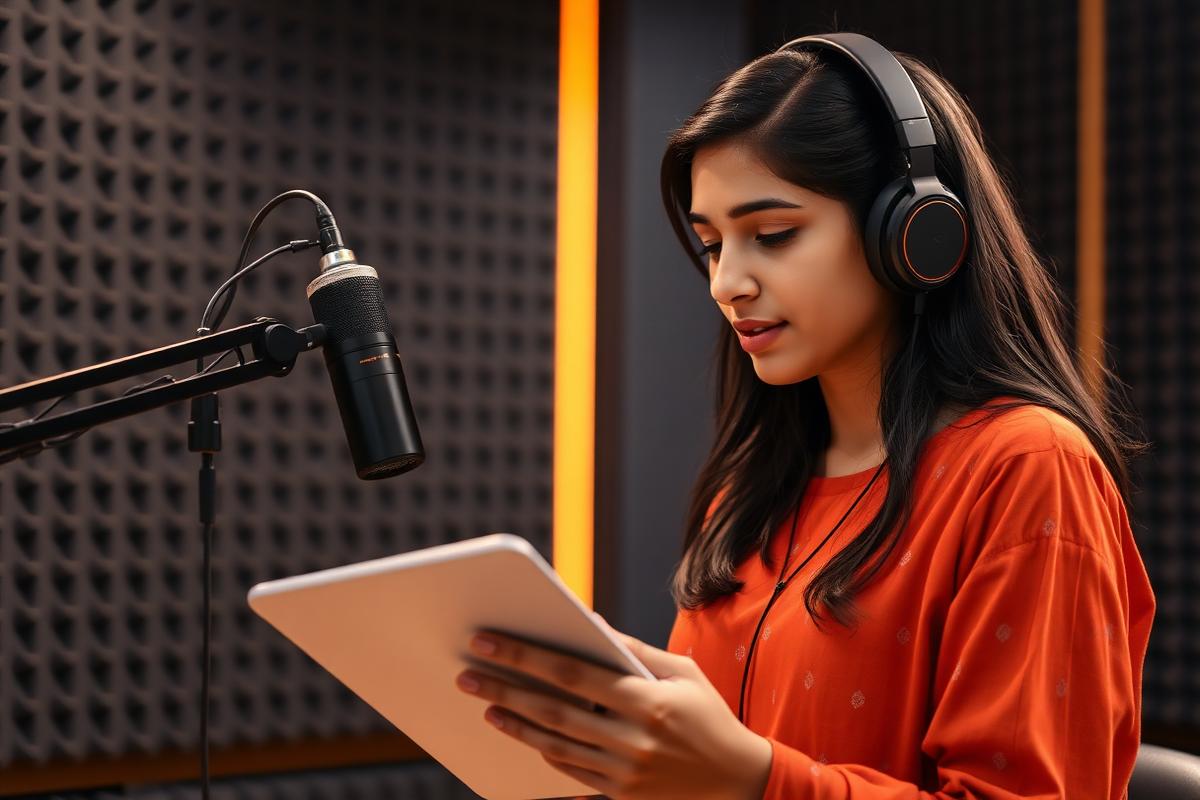
Prompt-read audio from a phonetically balanced script guarantees that every phoneme, cluster and tone appears often enough for the model to learn it. It is cheap to produce, easy to QA and trivially alignable to text.
The cost is realism. Read speech is slower, more fluent and more evenly paced than conversation, and its prosody follows punctuation rather than intention.
What spontaneous speech gives you
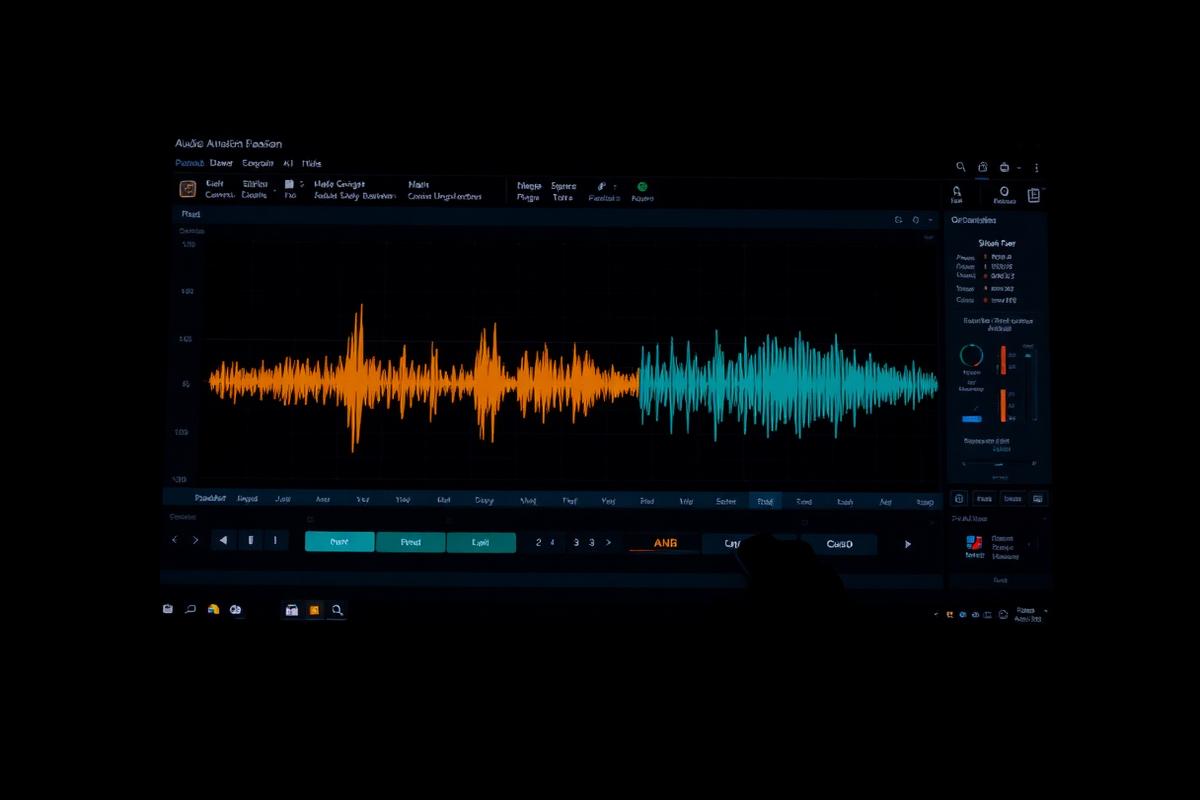
Unscripted monologue and conversation contain hesitation, repair, overlap, laughter and background events — everything a deployed model meets and nothing a script produces. Word error rates measured on spontaneous data are typically far higher than on read data for the same model, which is precisely why it belongs in training.
The cost is annotation. Spontaneous audio takes longer to transcribe, needs a stricter convention for disfluencies, and requires per-speaker channels when two people are talking.
Choosing the ratio
Start from the deployment. A dictation product is closer to read speech; a voice assistant, an IVR line or a meeting transcriber is not. Then check your evaluation set: if the gap between scripted-eval and spontaneous-eval performance is large, the training mix is the reason.
Ratios are also budget levers. Scripted hours are cheaper per hour delivered, so a fixed budget buys more coverage with scripted material and more robustness with spontaneous.
A practical mix
For a first Indian-language ASR corpus we usually recommend roughly 40% scripted, 40% spontaneous monologue and 20% two-party conversational, then adjust after the first evaluation. For a TTS voice the mix inverts to almost entirely scripted, with a small spontaneous set only if the product needs conversational style.
Frequently asked questions
Should you collect scripted or spontaneous speech data?
Collect both, in a ratio set by your deployment. Scripted speech gives phonetic coverage cheaply and is the right base for TTS and for early ASR bootstrapping. Spontaneous speech carries the disfluencies, false starts, filler words and natural prosody that real users produce, and models trained only on read speech degrade sharply the first time someone hesitates. A common production split is 40% scripted for coverage and 60% spontaneous or conversational for realism, inverted for TTS where scripted material dominates.
What scripted speech gives you?
Prompt-read audio from a phonetically balanced script guarantees that every phoneme, cluster and tone appears often enough for the model to learn it. It is cheap to produce, easy to QA and trivially alignable to text.
What spontaneous speech gives you?
Unscripted monologue and conversation contain hesitation, repair, overlap, laughter and background events — everything a deployed model meets and nothing a script produces. Word error rates measured on spontaneous data are typically far higher than on read data for the same model, which is precisely why it belongs in training.
Choosing the ratio?
Start from the deployment. A dictation product is closer to read speech; a voice assistant, an IVR line or a meeting transcriber is not. Then check your evaluation set: if the gap between scripted-eval and spontaneous-eval performance is large, the training mix is the reason.
Related reading
Turn this into a dataset specification
Tell us the languages, speaker count and minutes. You get a written scope, a protocol and a fixed price within one working day.