Service explainers
What is multilingual data collection and how does it work?
Updated 2026-08-01 · 4 min read
Short answer
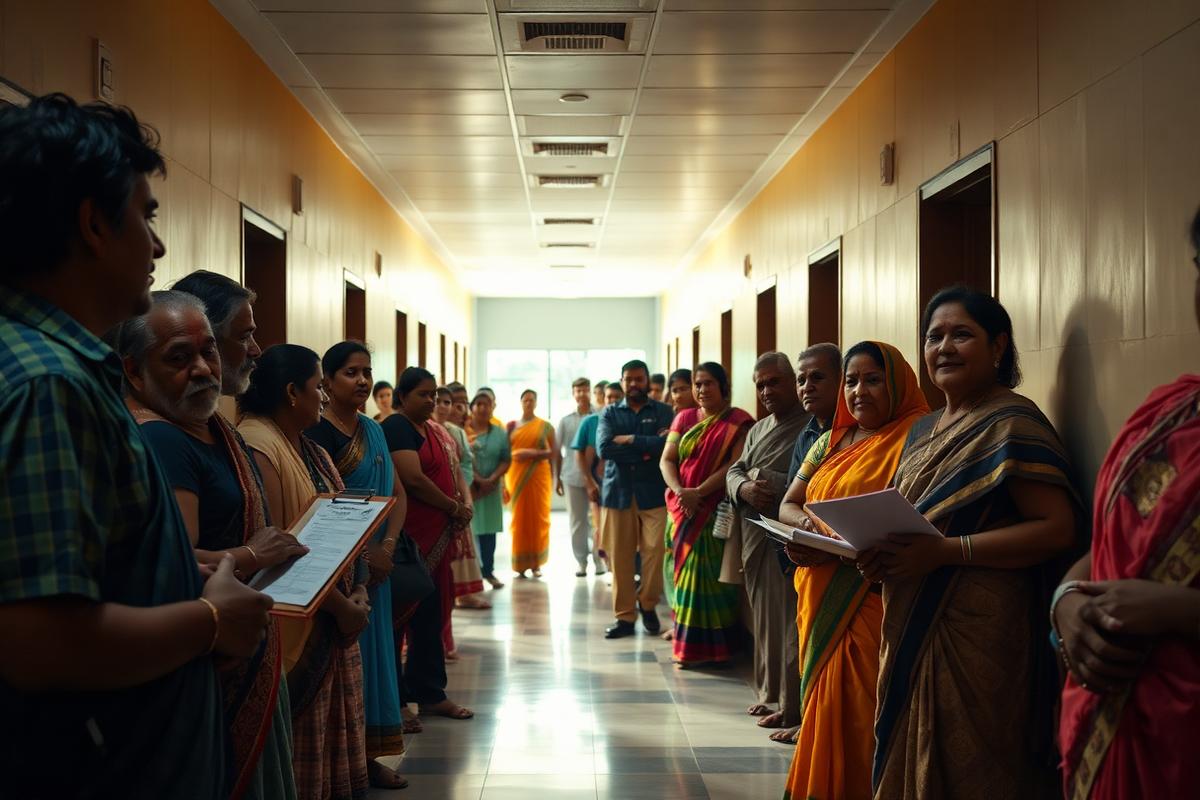
Parallel programmes across several Indian languages at once, run to one specification so the resulting datasets are comparable rather than a set of incompatible deliveries. In practice the work runs as master specification written once and localised per language, then per-language linguistic review of prompts and guides, then parallel fielding across studio cities, and you receive per-language datasets in one schema, cross-language coverage report. 6-12 weeks for a multi-language programme, depending on the smallest-pool language in scope.
Key takeaways
- The hardest language sets the timeline. Low-resource languages such as Assamese and Odia should start first.
- Typical buyers: Multilingual ASR, Multilingual LLM data, Pan-India voice products.
- Recruitment approach: Each language is fielded from its own home region, not from a single metro with mixed speakers.
What the service covers
Parallel programmes across several Indian languages at once, run to one specification so the resulting datasets are comparable rather than a set of incompatible deliveries.
- Per-language datasets in one schema
- Cross-language coverage report
- Consolidated QA summary
Technical specification
These are defaults, not limits. Where your pipeline requires different values, they replace ours in the statement of work rather than being converted after delivery.
| Parameter | Standard |
|---|---|
| Languages | Up to 14 Indian languages plus Indian English in one programme |
| Consistency | One spec, one manifest schema, one QA standard across all languages |
| Balance | Per-language quotas set independently to match your deployment mix |
| Reporting | Single consolidated progress view across languages |
How the work runs
- Master specification written once and localised per language
- Per-language linguistic review of prompts and guides
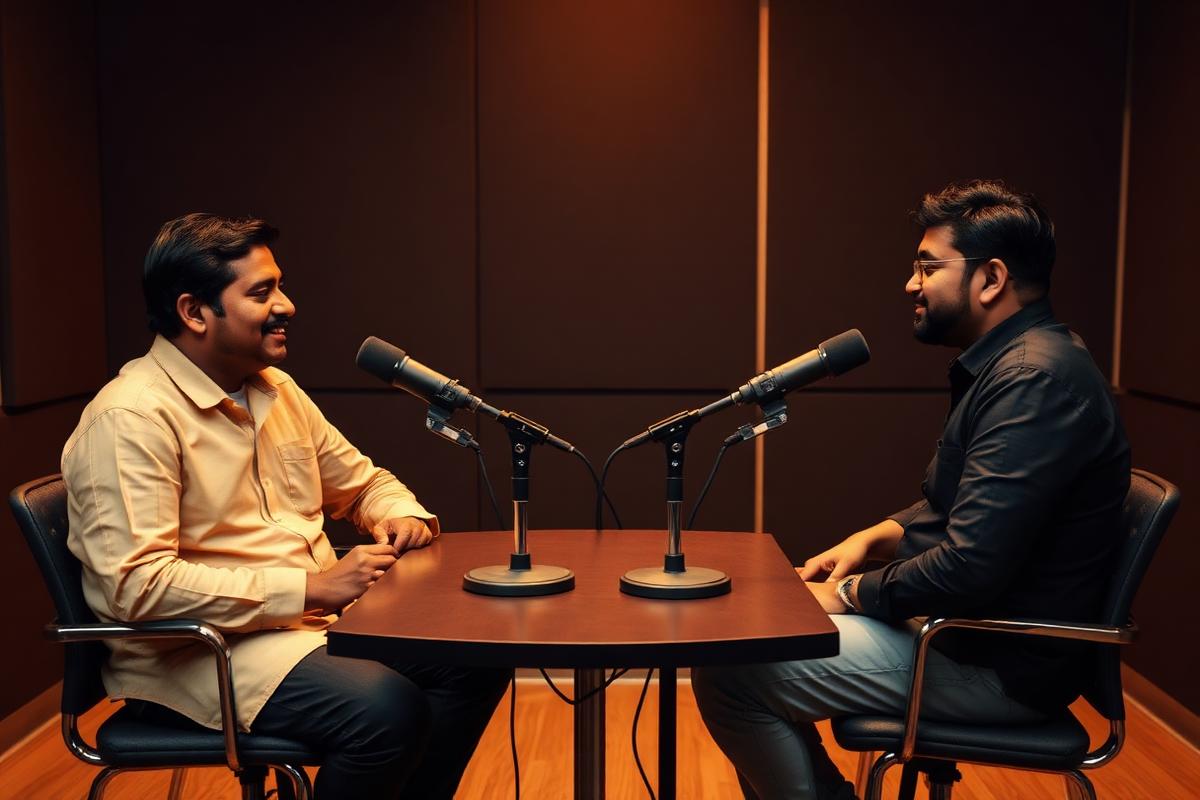
- Parallel fielding across studio cities
- Central QA applying identical thresholds
- Consolidated delivery with per-language reports
Quality control and acceptance
The hardest language sets the timeline. Low-resource languages such as Assamese and Odia should start first.
Failures are remedied by re-collection rather than by editing delivered files, because repaired audio carries artefacts that survive into the trained model.
Who this is for
Recruitment for this service works as follows. Each language is fielded from its own home region, not from a single metro with mixed speakers.
- Multilingual ASR
- Multilingual LLM data
- Pan-India voice products
Timelines
6-12 weeks for a multi-language programme, depending on the smallest-pool language in scope.
Multi-language programmes run in parallel rather than in sequence, so a five-language scope does not take five times as long.
Frequently asked questions
What is included in multilingual data collection?
Per-language datasets in one schema, Cross-language coverage report, Consolidated QA summary, delivered against a written specification with acceptance criteria attached.
How long does multilingual data collection take?
6-12 weeks for a multi-language programme, depending on the smallest-pool language in scope.
How is quality measured?
The hardest language sets the timeline. Low-resource languages such as Assamese and Odia should start first.
Which languages are supported?
Fifteen Indian languages plus Indian English, including Hindi, Marathi, Tamil, Telugu, Kannada.
Related reading
Turn this into a dataset specification
Tell us the languages, speaker count and minutes. You get a written scope, a protocol and a fixed price within one working day.