Service explainers
What is tts training data and how does it work?
Updated 2026-08-01 · 4 min read
Short answer
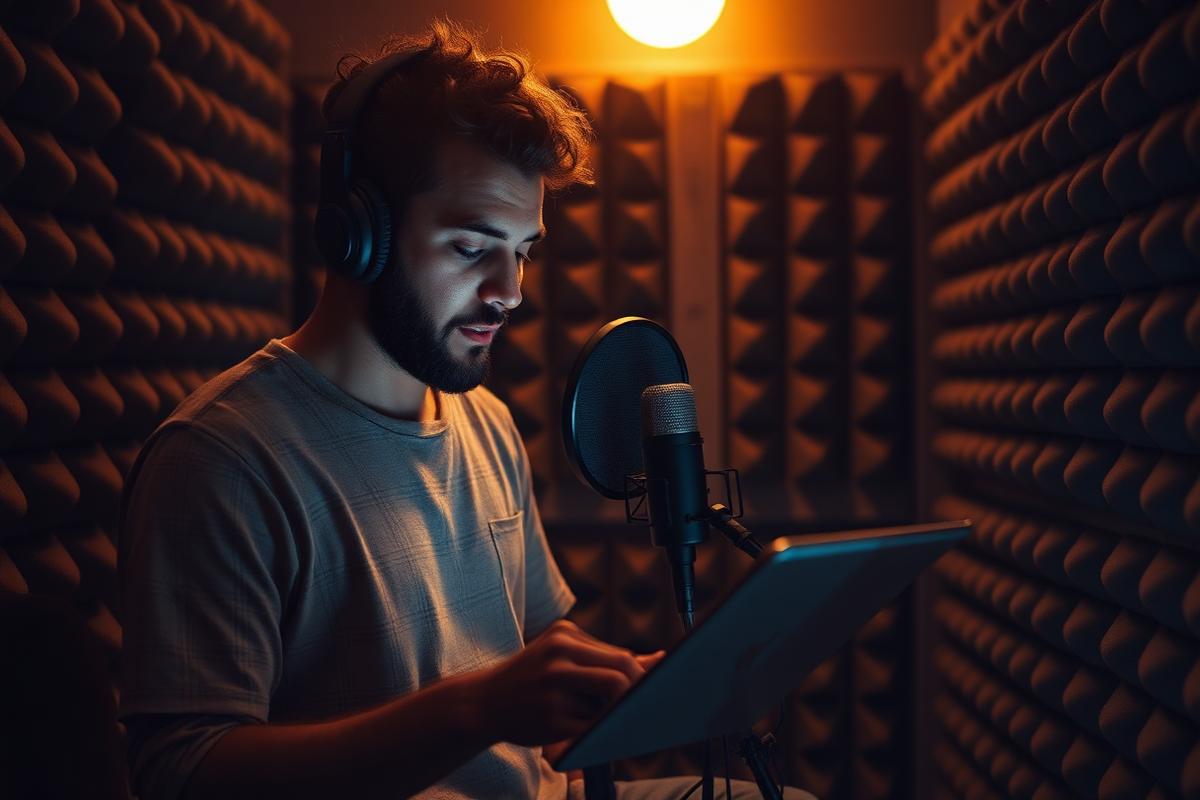
Single-speaker and multi-speaker text-to-speech corpora with phonetically balanced scripts, consistent prosody, and studio-grade capture suitable for neural TTS. In practice the work runs as script generation with phoneme and diphone coverage analysis, then voice casting with client shortlisting from audition samples, then multi-session recording with drift monitoring between sessions, and you receive studio wav per utterance, verified transcripts and pronunciation notes. 4-8 weeks for a 20-40 hour single-speaker voice build including casting.
Key takeaways
- Session drift is the main TTS killer. Every session is compared acoustically against the reference session and re-recorded if it drifts.
- Typical buyers: Neural TTS, Voice cloning, Expressive speech synthesis.
- Recruitment approach: Auditioned voice talent, shortlisted by you before the full build starts.
What the service covers
Single-speaker and multi-speaker text-to-speech corpora with phonetically balanced scripts, consistent prosody, and studio-grade capture suitable for neural TTS.
- Studio WAV per utterance
- Verified transcripts and pronunciation notes
- Phoneme coverage report
- Voice talent licence and consent documentation
Technical specification
These are defaults, not limits. Where your pipeline requires different values, they replace ours in the statement of work rather than being converted after delivery.
| Parameter | Standard |
|---|---|
| Sample rate | 48 kHz, 24-bit |
| Speaker consistency | Same booth, mic, distance and time-of-day banding across sessions |
| Script | Phonetically balanced, diphone-covering, domain-extended |
| Prosody | Neutral base set plus optional expressive styles |
| Alignment | Text-audio alignment verified per utterance |
| Silence | Leading/trailing silence trimmed to a fixed window |
How the work runs
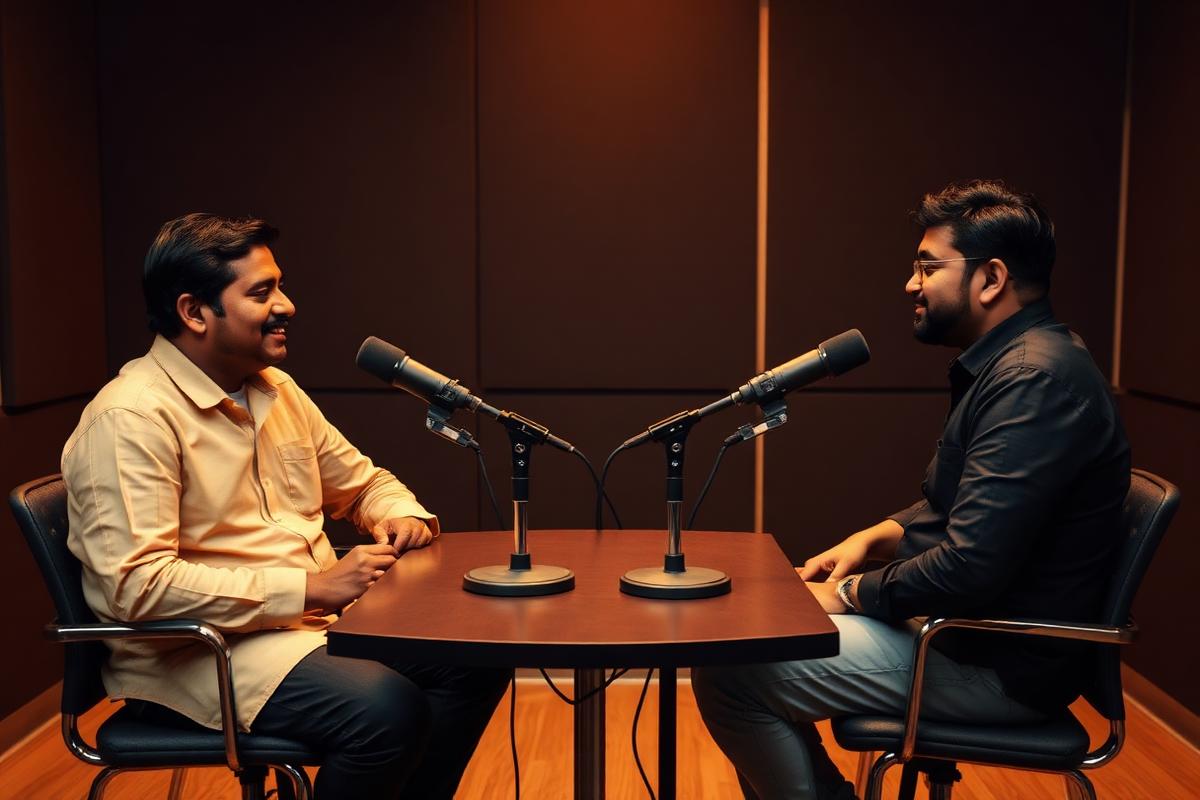
- Script generation with phoneme and diphone coverage analysis
- Voice casting with client shortlisting from audition samples
- Multi-session recording with drift monitoring between sessions
- Alignment verification and mispronunciation review by a linguist
- Delivery with a coverage report
Quality control and acceptance
Session drift is the main TTS killer. Every session is compared acoustically against the reference session and re-recorded if it drifts.
Failures are remedied by re-collection rather than by editing delivered files, because repaired audio carries artefacts that survive into the trained model.
Who this is for
Recruitment for this service works as follows. Auditioned voice talent, shortlisted by you before the full build starts.
- Neural TTS
- Voice cloning
- Expressive speech synthesis
Timelines
4-8 weeks for a 20-40 hour single-speaker voice build including casting.
Multi-language programmes run in parallel rather than in sequence, so a five-language scope does not take five times as long.
Frequently asked questions
What is included in tts training data?
Studio WAV per utterance, Verified transcripts and pronunciation notes, Phoneme coverage report, delivered against a written specification with acceptance criteria attached.
How long does tts training data take?
4-8 weeks for a 20-40 hour single-speaker voice build including casting.
How is quality measured?
Session drift is the main TTS killer. Every session is compared acoustically against the reference session and re-recorded if it drifts.
Which languages are supported?
Fifteen Indian languages plus Indian English, including Hindi, Marathi, Tamil, Telugu, Kannada.
Related reading
Turn this into a dataset specification
Tell us the languages, speaker count and minutes. You get a written scope, a protocol and a fixed price within one working day.