Service explainers
What is voice recording for ai training and how does it work?
Updated 2026-08-01 · 4 min read
Short answer
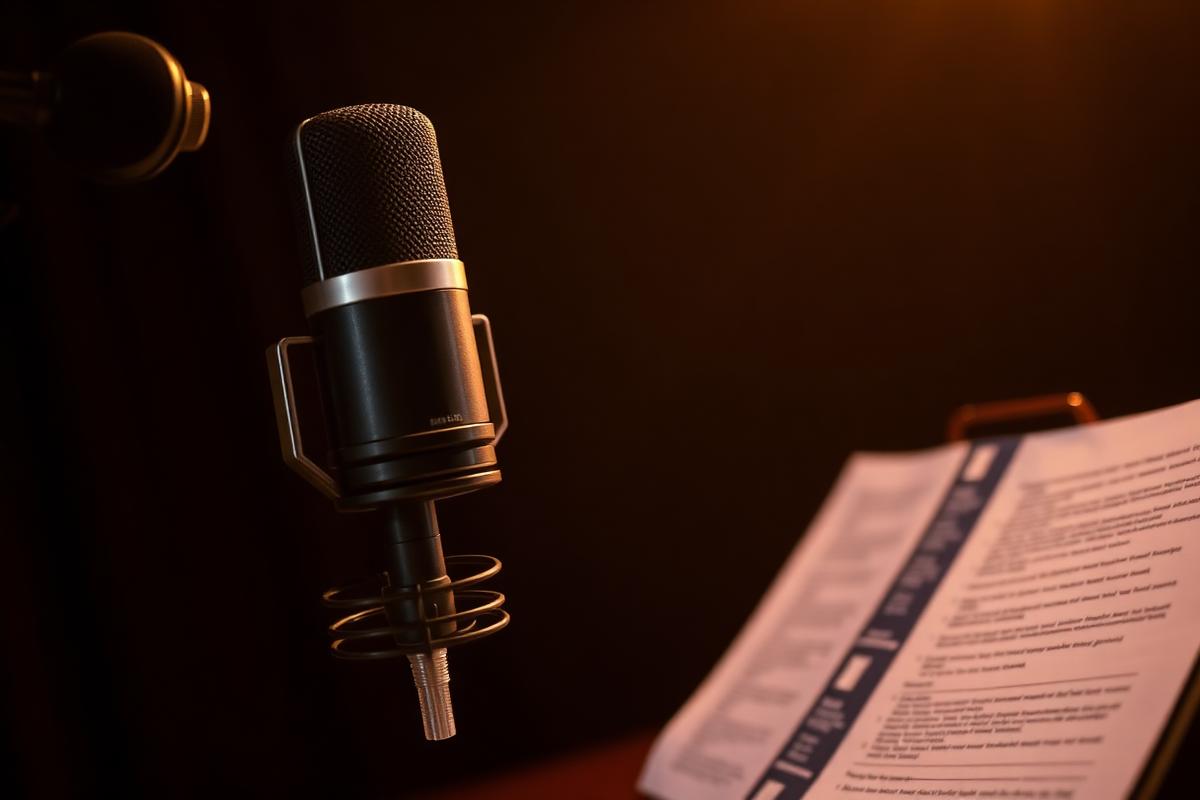
Studio voice recording built for model training rather than broadcast: controlled acoustics, consistent mic distance, and reproducible session parameters across every speaker. In practice the work runs as session template definition so every studio in the network records identically, then speaker briefing and pronunciation calibration, then take-level monitoring with immediate re-record on defect, and you receive unprocessed wav masters, session logs. 2-5 weeks depending on speaker count and city spread.
Key takeaways
- Delivered audio is never processed. Training pipelines should see the raw capture so augmentation stays under your control.
- Typical buyers: TTS voice builds, Voice cloning research, Prompt-based speech models.
- Recruitment approach: Voice talent and ordinary speakers both available; specify which, because they produce very different acoustic distributions.
What the service covers
Studio voice recording built for model training rather than broadcast: controlled acoustics, consistent mic distance, and reproducible session parameters across every speaker.
- Unprocessed WAV masters
- Session logs
- Take-level metadata
- Speaker consent records
Technical specification
These are defaults, not limits. Where your pipeline requires different values, they replace ours in the statement of work rather than being converted after delivery.
| Parameter | Standard |
|---|---|
| Sample rate | 48 kHz |
| Bit depth | 24-bit |
| Microphone | Large-diaphragm condenser, fixed distance, pop filter |
| Room | Treated booth, RT60 under 0.3s |
| Processing | None. No compression, EQ, or noise reduction on delivered audio |
| Session length | 30-90 minutes per speaker, with breaks logged |
How the work runs
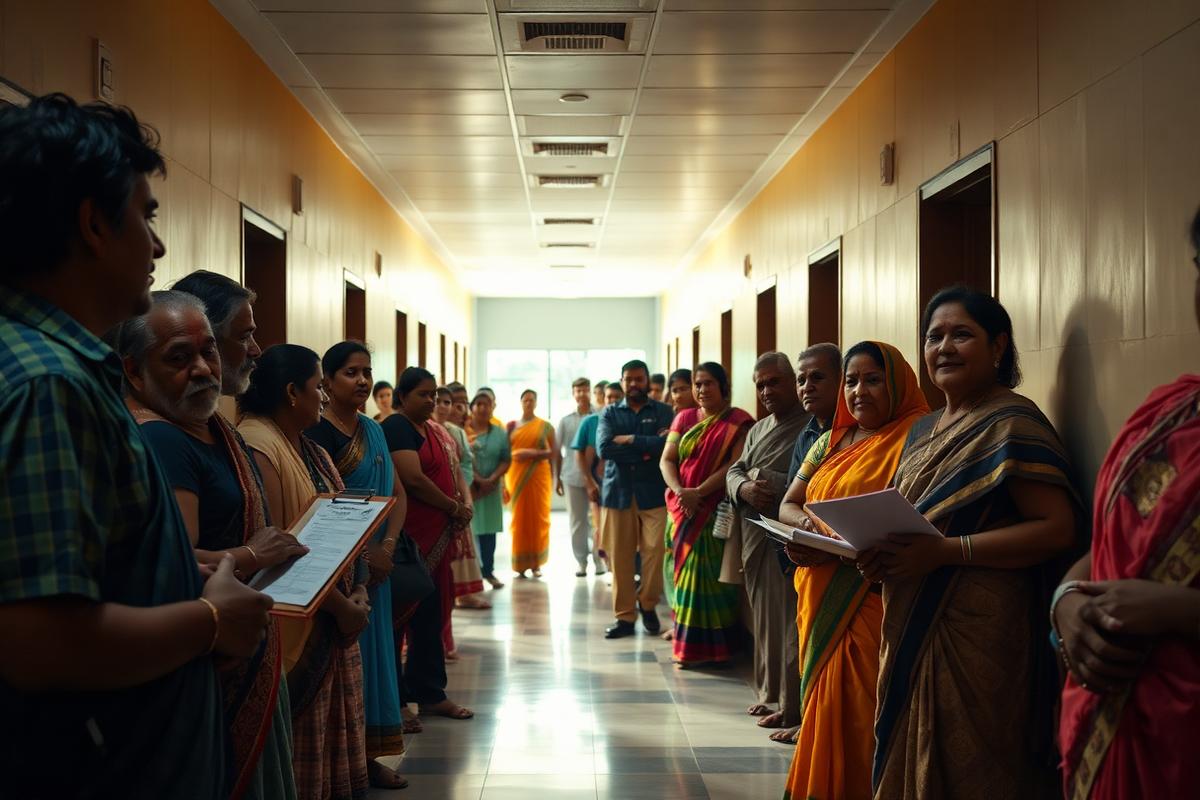
- Session template definition so every studio in the network records identically
- Speaker briefing and pronunciation calibration
- Take-level monitoring with immediate re-record on defect
- Per-session technical report
- Delivery with unprocessed masters
Quality control and acceptance
Delivered audio is never processed. Training pipelines should see the raw capture so augmentation stays under your control.
Failures are remedied by re-collection rather than by editing delivered files, because repaired audio carries artefacts that survive into the trained model.
Who this is for
Recruitment for this service works as follows. Voice talent and ordinary speakers both available; specify which, because they produce very different acoustic distributions.
- TTS voice builds
- Voice cloning research
- Prompt-based speech models
Timelines
2-5 weeks depending on speaker count and city spread.
Multi-language programmes run in parallel rather than in sequence, so a five-language scope does not take five times as long.
Frequently asked questions
What is included in voice recording for ai training?
Unprocessed WAV masters, Session logs, Take-level metadata, delivered against a written specification with acceptance criteria attached.
How long does voice recording for ai training take?
2-5 weeks depending on speaker count and city spread.
How is quality measured?
Delivered audio is never processed. Training pipelines should see the raw capture so augmentation stays under your control.
Which languages are supported?
Fifteen Indian languages plus Indian English, including Hindi, Marathi, Tamil, Telugu, Kannada.
Related reading
Turn this into a dataset specification
Tell us the languages, speaker count and minutes. You get a written scope, a protocol and a fixed price within one working day.