Call-centre speech · বাংলা
Bengali Call Centre Speech Data
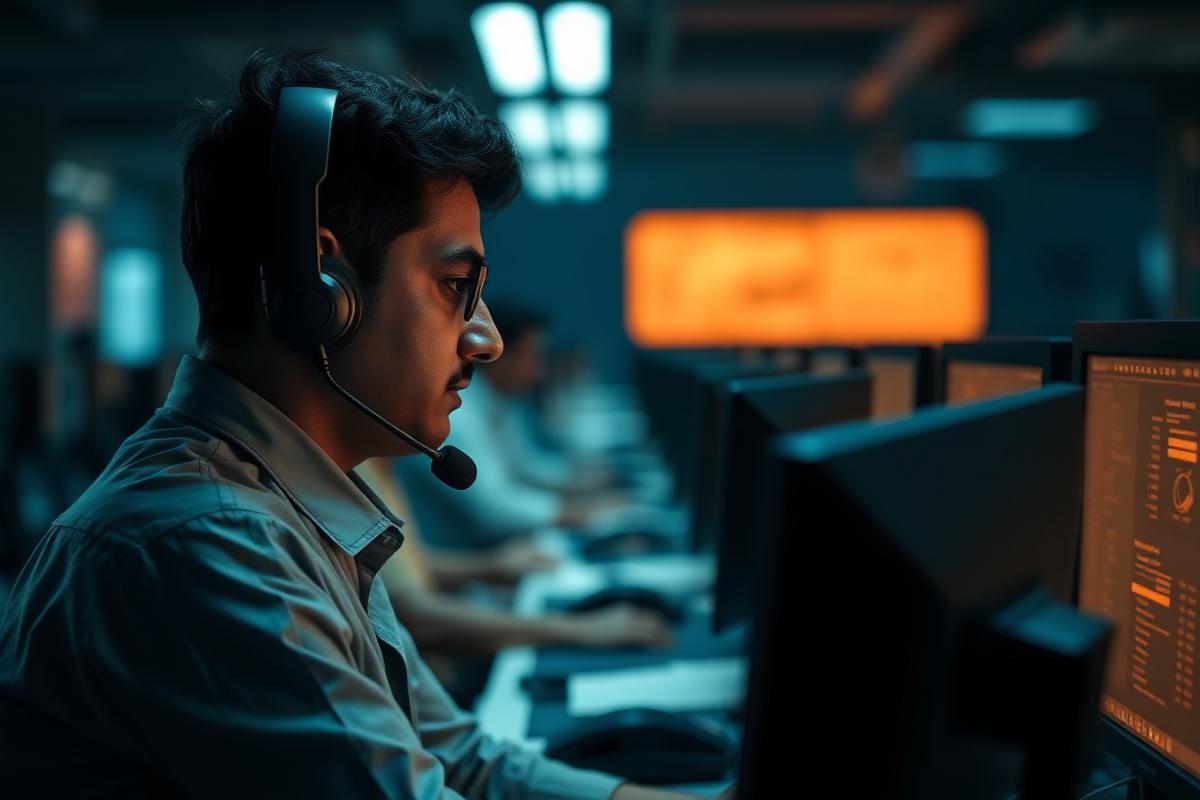
Simulated and consented real-world contact-centre audio in Indian languages, recorded over telephony-grade channels so it matches the bandwidth your production system actually sees. This page covers how that works specifically for Bengali, where inherent vowel is realised as /ɔ/ or /o/, which breaks g2p rules copied from devanagari-based systems.
- Language
- Bengali (bn-IN)
- Dialects covered
- 5
- Typical programme
- 500-2,000 hours
- Cities
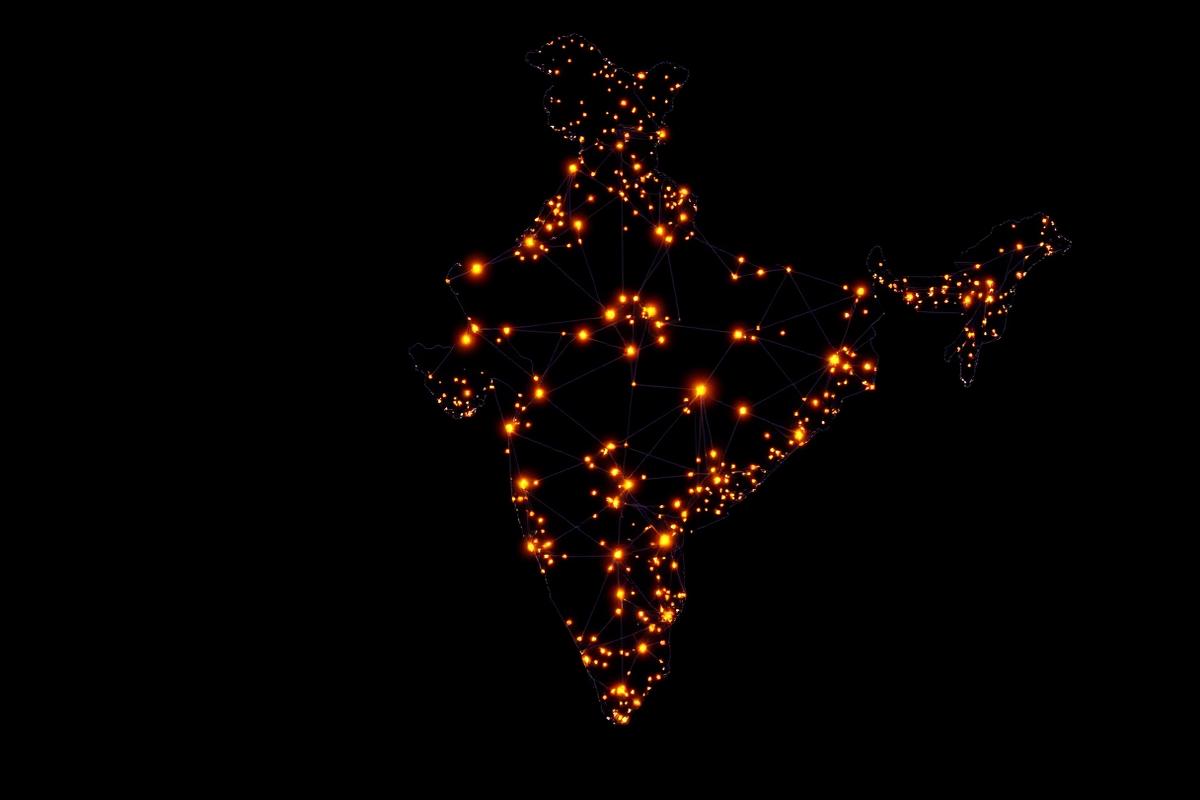
- Kolkata, Siliguri, Durgapur
What changes when the language is Bengali
The service specification stays constant across languages; the linguistics do not. For Bengali, three things drive the design of a call-centre speech programme.
- Inherent vowel is realised as /ɔ/ or /o/, which breaks G2P rules copied from Devanagari-based systems
- Dialect spread: Kolkata standard (Rarhi), Sylheti-influenced, Rangpuri / North Bengal, Medinipuri
- Kolkata professional speech mixes English heavily; rural West Bengal much less. A single 'Bengali' dataset without register tags conflates two very different acoustic and lexical distributions.
Technical specification
| Parameter | Standard |
|---|---|
| Channel | 8 kHz narrowband telephony plus 48 kHz reference where required |
| Codec | G.711 / Opus simulated to match your stack |
| Structure | Agent and customer on separate channels |
| Scenarios | Billing, delivery, KYC, recharge, collections, support, sales |
| Emotion | Neutral, frustrated and escalated variants on request |
Bengali cohort design
Tag every speaker as Indian Bengali and record district of origin; mixing in Bangladeshi speech without tags is a common and costly dataset defect.
| Dimension | Typical split | Why it matters for Bengali |
|---|---|---|
| Gender | 50 / 50 | Pitch range differences change acoustic model behaviour; unbalanced cohorts bias recognition |
| Age | 18-25: 30%, 26-40: 40%, 41-60: 30% | Older speakers retain conservative Bengali forms that younger urban speakers have lost |
| Region | West Bengal / Tripura / Assam (Barak Valley) and others | Dialect spread across 5 recognised varieties |
| Education | Mixed, including below-graduate | Prompt-reading fluency correlates with education and skews prosody |
| Condition | Studio / quiet room / field | Match the noise profile of your deployment |
Process
- Scenario library built from your call taxonomy
- Agent-side speakers briefed on your script and tone
- Recording over the specified codec path
- Transcription with intent and outcome labels
- Delivery with per-scenario counts
Bengali-specific quality rules
- Three sibilant characters chosen inconsistently for the same sound
- Bangladeshi vs Indian Bengali orthographic conventions mixed within one dataset
- Verb conjugation register (cholit vs sadhu) normalised by transcribers
Narrowband is simulated at capture time, not by downsampling clean studio audio, which would leave unrealistic artefacts.
Deliverables
- Dual-channel call audio
- Verbatim transcripts
- Intent, outcome and sentiment labels
- Scenario coverage matrix
Worked example
A representative Bengali call-centre speech engagement: 500 hours from 1,000 speakers, 50/50 gender, ages 18-45, spread across Kolkata, Siliguri, Durgapur, recorded to the specification above and delivered in WAV with a per-utterance manifest.
Timeline: 3-6 weeks for 100-250 hours.
Where this data is missing today
Indian Bengali is under-collected relative to Bangladeshi Bengali, and North Bengal and Tripura varieties are almost entirely missing.
Frequently asked
How much does Bengali call-centre speech cost?
Priced per delivered hour or unit against a written spec. The cost drivers for Bengali are dialect spread, demographic narrowness and recording condition, in that order.
Which Bengali dialects are included?
By default Kolkata standard (Rarhi), Sylheti-influenced, Rangpuri / North Bengal, Medinipuri and others, tagged per speaker. You can also commission a single-dialect corpus if you are targeting one region.
Can you deliver Bengali data in our format?
Yes. Dual-channel call audio is the default, but naming, schema and directory structure follow your pipeline.
How long does a Bengali programme take?
3-6 weeks for 100-250 hours.
Request a Bengali call-centre speech quote
Hours, speakers, dialects, deadline. Send what you have.