TTS datasets · हिन्दी
Hindi TTS Training Data
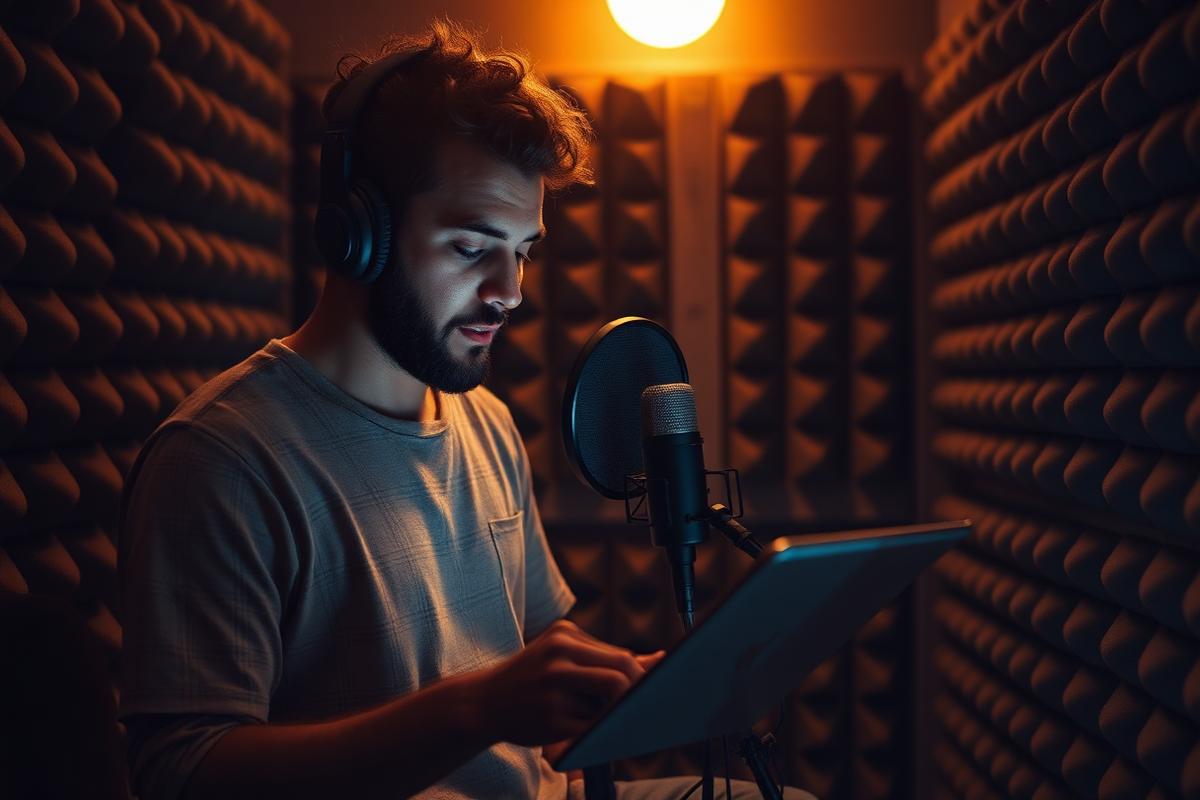
Single-speaker and multi-speaker text-to-speech corpora with phonetically balanced scripts, consistent prosody, and studio-grade capture suitable for neural TTS. This page covers how that works specifically for Hindi, where four-way stop contrast (voiced/voiceless x aspirated/unaspirated) that collapses in models trained on english-first acoustic units.
- Language
- Hindi (hi-IN)
- Dialects covered
- 7
- Typical programme
- 500-2,000 hours
- Cities
- Delhi, Lucknow, Jaipur
What changes when the language is Hindi
The service specification stays constant across languages; the linguistics do not. For Hindi, three things drive the design of a tts datasets programme.
- Four-way stop contrast (voiced/voiceless x aspirated/unaspirated) that collapses in models trained on English-first acoustic units
- Dialect spread: Khari Boli, Awadhi, Braj, Bhojpuri-influenced Hindi
- Urban Hindi speech is Hinglish in practice. Expect 15-40% English tokens in spontaneous speech: numbers, brands, technology terms, and whole clause switches. Any Hindi corpus that excludes English tokens will not match production traffic.
Technical specification
| Parameter | Standard |
|---|---|
| Sample rate | 48 kHz, 24-bit |
| Speaker consistency | Same booth, mic, distance and time-of-day banding across sessions |
| Script | Phonetically balanced, diphone-covering, domain-extended |
| Prosody | Neutral base set plus optional expressive styles |
| Alignment | Text-audio alignment verified per utterance |
| Silence | Leading/trailing silence trimmed to a fixed window |
Hindi cohort design
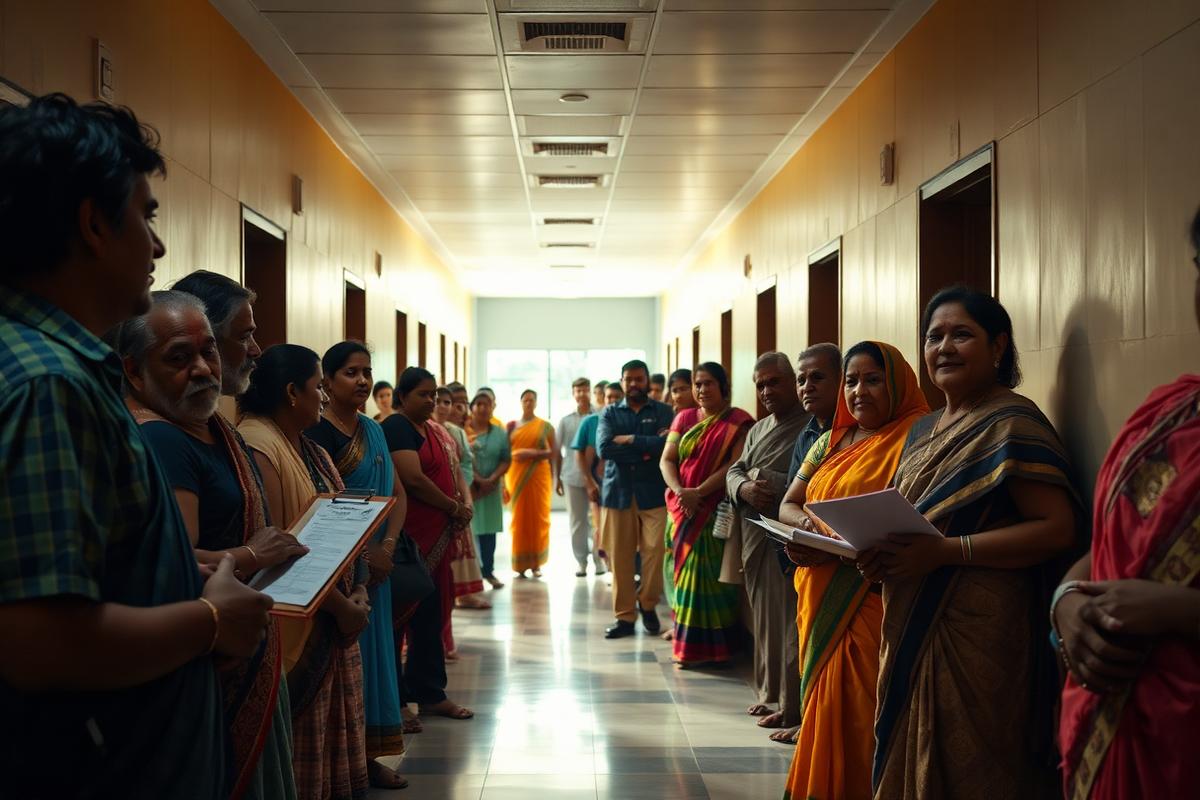
Largest recruitment pool in the network. A 1,000-speaker Hindi cohort with balanced gender and 18-45 age bands is typically fielded across four cities to avoid a single-city accent bias.
| Dimension | Typical split | Why it matters for Hindi |
|---|---|---|
| Gender | 50 / 50 | Pitch range differences change acoustic model behaviour; unbalanced cohorts bias recognition |
| Age | 18-25: 30%, 26-40: 40%, 41-60: 30% | Older speakers retain conservative Hindi forms that younger urban speakers have lost |
| Region | Uttar Pradesh / Bihar / Madhya Pradesh and others | Dialect spread across 7 recognised varieties |
| Education | Mixed, including below-graduate | Prompt-reading fluency correlates with education and skews prosody |
| Condition | Studio / quiet room / field | Match the noise profile of your deployment |
Process
- Script generation with phoneme and diphone coverage analysis
- Voice casting with client shortlisting from audition samples
- Multi-session recording with drift monitoring between sessions
- Alignment verification and mispronunciation review by a linguist
- Delivery with a coverage report
Hindi-specific quality rules
- Inconsistent Devanagari vs romanised spelling for the same English loan word
- Nukta characters (क़ ख़ ग़ ज़ फ़) applied inconsistently by transcribers
- Numerals: whether to write digits, Devanagari numerals, or spelled-out words must be fixed in the style guide up front
- Honorific verb forms create long agreement chains that annotators shorten unless the guide forbids it
Session drift is the main TTS killer. Every session is compared acoustically against the reference session and re-recorded if it drifts.
Deliverables
- Studio WAV per utterance
- Verified transcripts and pronunciation notes
- Phoneme coverage report
- Voice talent licence and consent documentation
Worked example
A representative Hindi tts datasets engagement: 500 hours from 1,000 speakers, 50/50 gender, ages 18-45, spread across Delhi, Lucknow, Jaipur, recorded to the specification above and delivered in WAV with a per-utterance manifest.
Timeline: 4-8 weeks for a 20-40 hour single-speaker voice build including casting.
Where this data is missing today
Public Hindi corpora skew heavily towards read newspaper text from educated urban speakers in Delhi and NCR. Rural Bihar and eastern UP speech, elderly speakers, and low-literacy speakers reading prompts aloud are largely absent.
Frequently asked
How much does Hindi tts datasets cost?
Priced per delivered hour or unit against a written spec. The cost drivers for Hindi are dialect spread, demographic narrowness and recording condition, in that order.
Which Hindi dialects are included?
By default Khari Boli, Awadhi, Braj, Bhojpuri-influenced Hindi and others, tagged per speaker. You can also commission a single-dialect corpus if you are targeting one region.
Can you deliver Hindi data in our format?
Yes. Studio WAV per utterance is the default, but naming, schema and directory structure follow your pipeline.
How long does a Hindi programme take?
4-8 weeks for a 20-40 hour single-speaker voice build including casting.
Request a Hindi tts datasets quote
Hours, speakers, dialects, deadline. Send what you have.