Speaker Diarisation · Hinglish
Hinglish Data for Speaker Diarisation
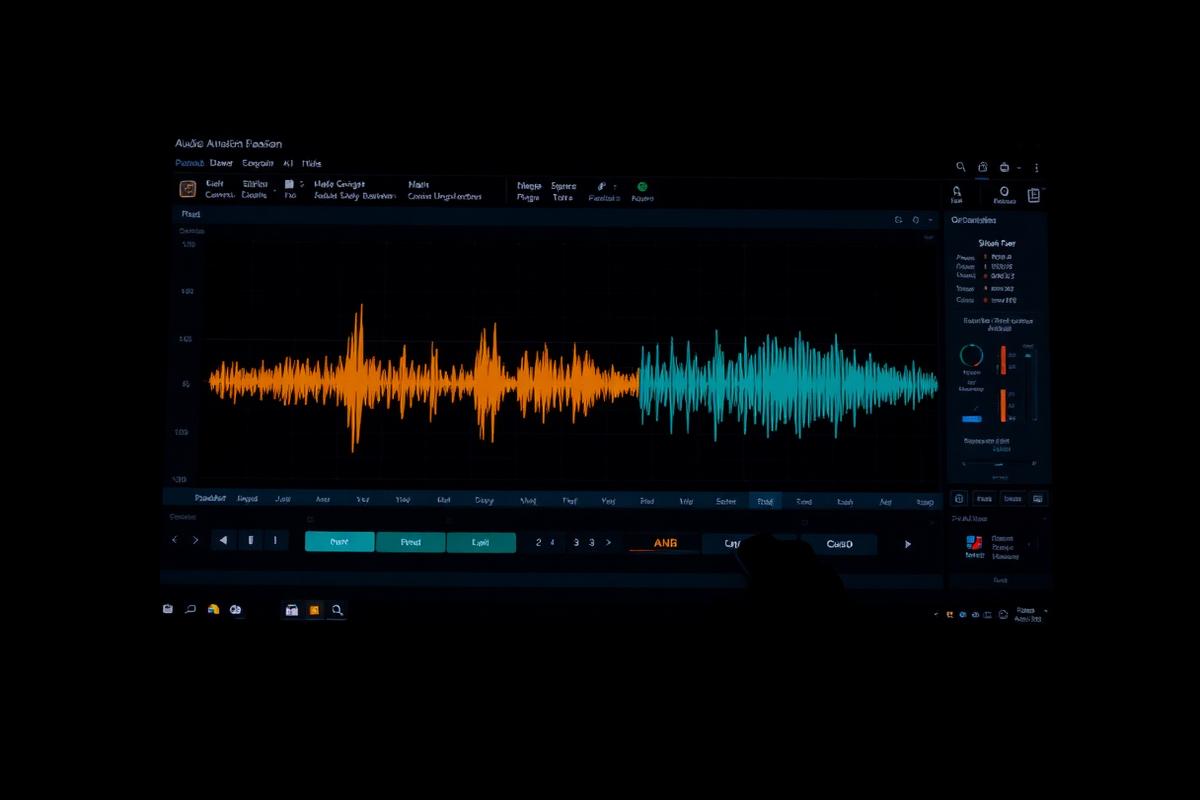
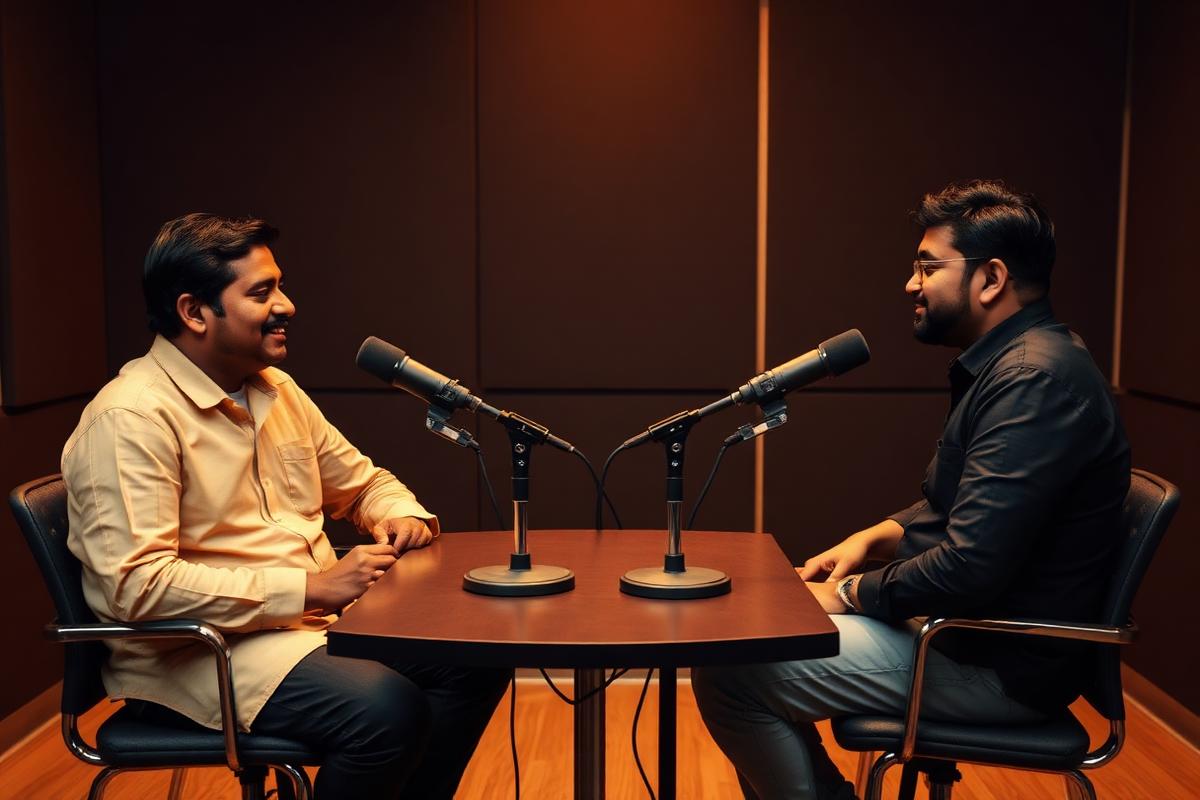
Determining who spoke when in multi-party Indian-language audio, including overlapped speech. In Hinglish, the binding constraint is usually dialect coverage and code-mixing, not raw hours.
- Language
- Hinglish
- Primary metric
- Diarisation error rate
- Typical volume
- 500-2,000 hours
Data profile required
- Per-speaker isolated channels with a mixed reference
- Genuine overlap preserved
- Turn-level ground truth
What Hinglish adds to the requirement
- Intra-sentential switching means English words carry Indian phonology, so English acoustic models mis-transcribe them
- Switch points cluster around nouns, numbers, and discourse markers
- Dialects to cover: Delhi corporate Hinglish, Mumbai Bambaiya, Call-centre register, Youth/social media register
- Hinglish is the code-mixing case itself. Typical urban customer-support speech is 30-60% English tokens embedded in Hindi grammar, with switching several times per utterance.
Metrics to track
- Diarisation error rate
- Overlap detection recall
- Speaker-count accuracy
Failure modes
- Overlap edited out during recording
- Single-channel-only capture leaving no reliable ground truth
For Hinglish specifically: Almost no public corpus contains genuine intra-sentential Hindi-English switching with per-token language tags. This is the highest-value gap for anyone building Indian conversational AI.
Recommended cohort
Recruit by switching behaviour, not by language proficiency. Screening recordings are used to confirm speakers switch naturally rather than performing one language.
| Dimension | Typical split | Why it matters for Hinglish |
|---|---|---|
| Gender | 50 / 50 | Pitch range differences change acoustic model behaviour; unbalanced cohorts bias recognition |
| Age | 18-25: 30%, 26-40: 40%, 41-60: 30% | Older speakers retain conservative Hinglish forms that younger urban speakers have lost |
| Region | Delhi NCR / Mumbai / Bengaluru and others | Dialect spread across 4 recognised varieties |
| Education | Mixed, including below-graduate | Prompt-reading fluency correlates with education and skews prosody |
| Condition | Studio / quiet room / field | Match the noise profile of your deployment |
Suggested programme shape
Start with an evaluation set of 80 speakers spread across every Hinglish dialect in scope, collected before training data. Then field 500-2,000 hours of training data from disjoint speakers.
This ordering is what makes the improvement measurable rather than assumed.
Frequently asked
Is there usable public Hinglish data for speaker diarisation?
Almost no public corpus contains genuine intra-sentential Hindi-English switching with per-token language tags. This is the highest-value gap for anyone building Indian conversational AI.
How many Hinglish speakers do we need?
1,000-3,000 speakers for a training corpus, plus a disjoint evaluation cohort covering each dialect. Speaker count matters more than hours for generalisation.
Can you run this across multiple languages at once?
Yes. Multi-language programmes run to one master specification so per-language results stay comparable.
Scope Hinglish data for speaker diarisation
Send the target metric and the languages in scope.