Conversational AI Companies · Speaker Diarisation
Speaker Diarisation Data for Conversational AI Companies
Voice-bot and chat-plus-voice platforms deploying into Indian markets, where the gap between demo accuracy and live accuracy is a code-mixing problem. Determining who spoke when in multi-party Indian-language audio, including overlapped speech.
- Buyer
- Conversational AI Companies
- Use case
- Speaker Diarisation
- Metric
- Diarisation error rate
Where the two meet
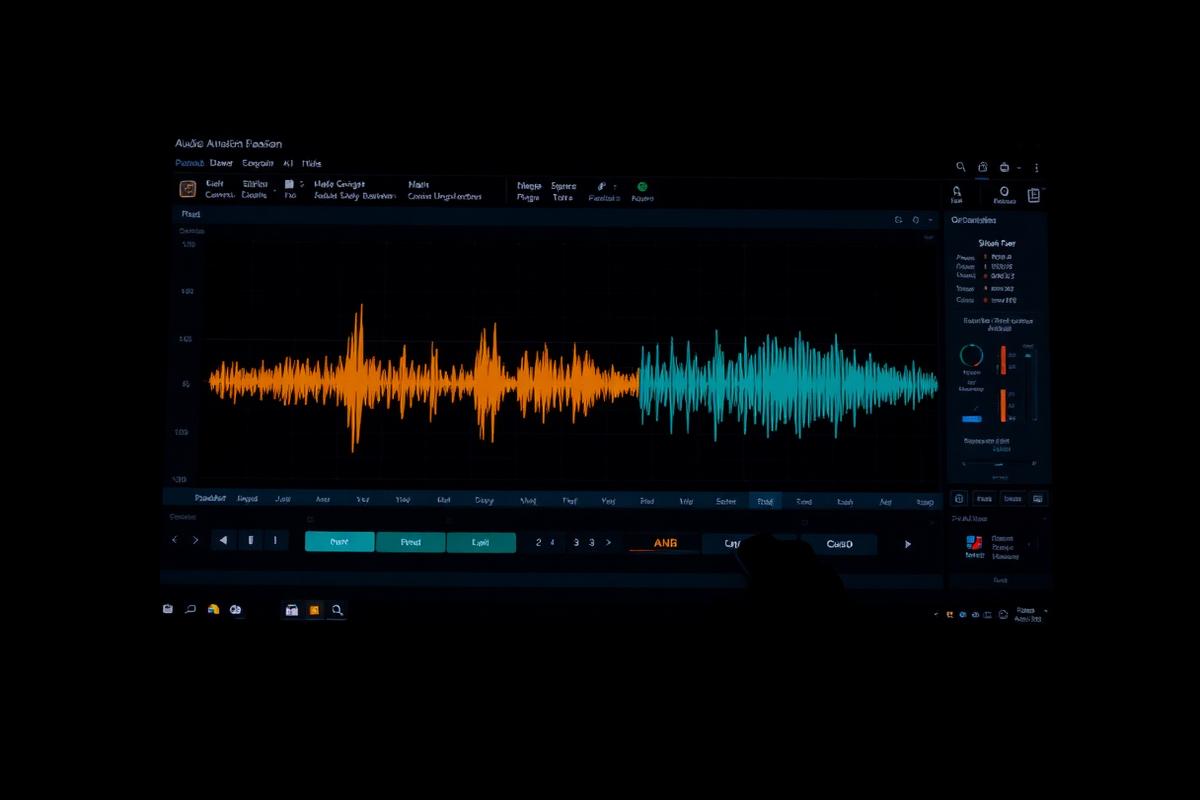
Bots trained on clean single-language data fail on real switching mid-utterance That is a speaker diarisation problem, and it is solved by data shaped like this:
- Per-speaker isolated channels with a mixed reference
- Genuine overlap preserved
- Turn-level ground truth
Your evaluation criteria
- Does the data include overlap, interruptions and backchannels?
- Are utterances collected over the same channel conditions as production?
- Is intent labelling done against your live taxonomy?
Metrics
- Diarisation error rate
- Overlap detection recall
- Speaker-count accuracy
Pitfalls
- Overlap edited out during recording
- Single-channel-only capture leaving no reliable ground truth
Contract points
- Scenario confidentiality
- Right to reuse across bot versions
- Delivery in a format that drops into an existing pipeline
Frequently asked
What does a first engagement look like?
Usually a scoped pilot: one language, an evaluation set plus a first training batch, delivered in three to five weeks, followed by the full programme.
Can you match our existing vendor's schema?
Yes. Working to your schema avoids a conversion pass and keeps deliveries comparable across vendors.
How is provenance documented?
Per-item contributor records and consent mapped to IDs in the manifest.
Send your requirement
Language, volume, metric, deadline.