ML Research Groups · TTS Voice Building
TTS Voice Building Data for ML Research Groups
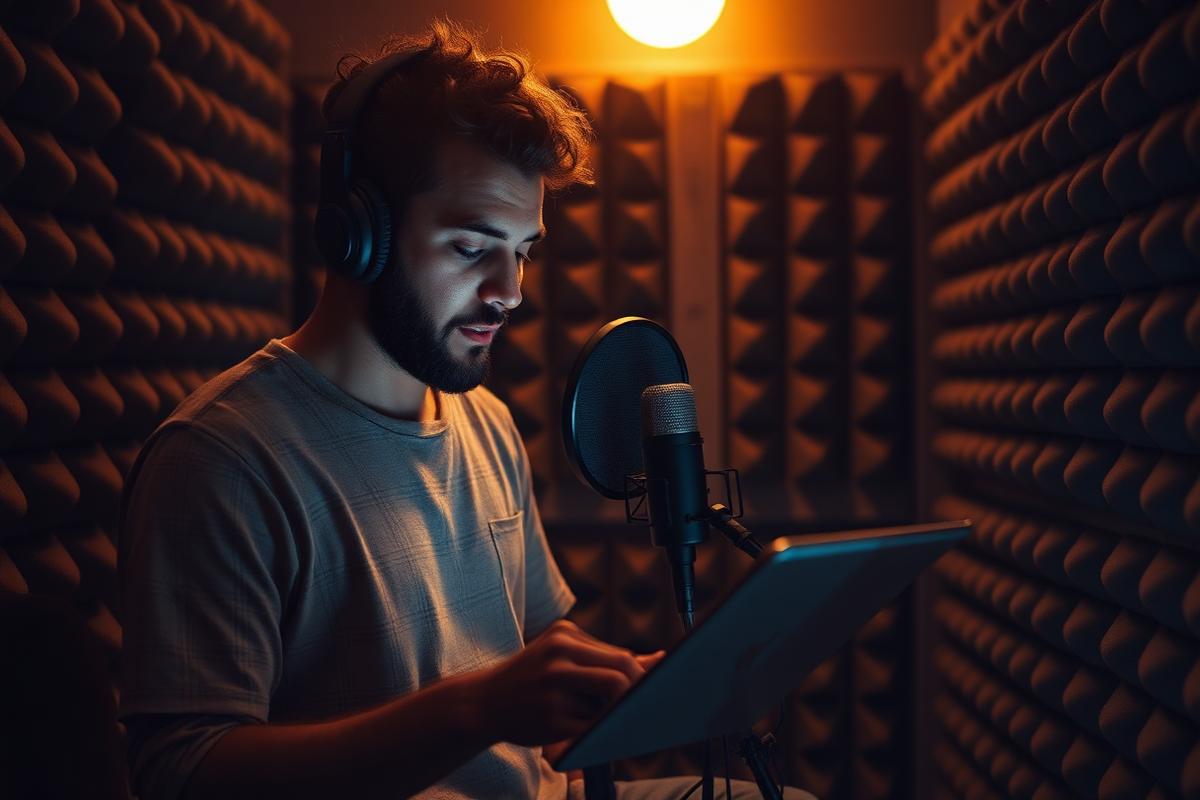
Academic and industrial research teams building benchmarks and studying low-resource Indian languages, where documentation and reproducibility matter as much as volume. Creating a natural synthetic voice in an Indian language, from casting through to a trainable studio corpus.
- Buyer
- ML Research Groups
- Use case
- TTS Voice Building
- Metric
- MOS naturalness
Where the two meet
Low-resource languages have no usable public data at all That is a tts voice building problem, and it is solved by data shaped like this:
- 10-40 hours from one speaker, or multi-speaker sets
- Phonetically balanced scripts
- Session-consistent acoustics
Your evaluation criteria
- Is the collection protocol documented well enough to publish?
- Are speaker demographics reported in aggregate for dataset cards?
- Can the data be released openly, and under what consent terms?
Metrics
- MOS naturalness
- Pronunciation accuracy on loanwords and names
- Prosody stability across long utterances
Pitfalls
- Session drift between recording days
- Scripts that under-cover rare phonemes
- Uncleared voice-talent licensing
Contract points
- Open-release-compatible consent
- Dataset card material provided with delivery
- Attribution and citation terms
Frequently asked
What does a first engagement look like?
Usually a scoped pilot: one language, an evaluation set plus a first training batch, delivered in three to five weeks, followed by the full programme.
Can you match our existing vendor's schema?
Yes. Working to your schema avoids a conversion pass and keeps deliveries comparable across vendors.
How is provenance documented?
Per-item contributor records and consent mapped to IDs in the manifest.
Send your requirement
Language, volume, metric, deadline.