Speech AI Companies · Speaker Diarisation
Speaker Diarisation Data for Speech AI Companies
Teams whose core product is speech recognition or synthesis, where dataset quality is the product roadmap and word error rate is the metric everyone watches. Determining who spoke when in multi-party Indian-language audio, including overlapped speech.
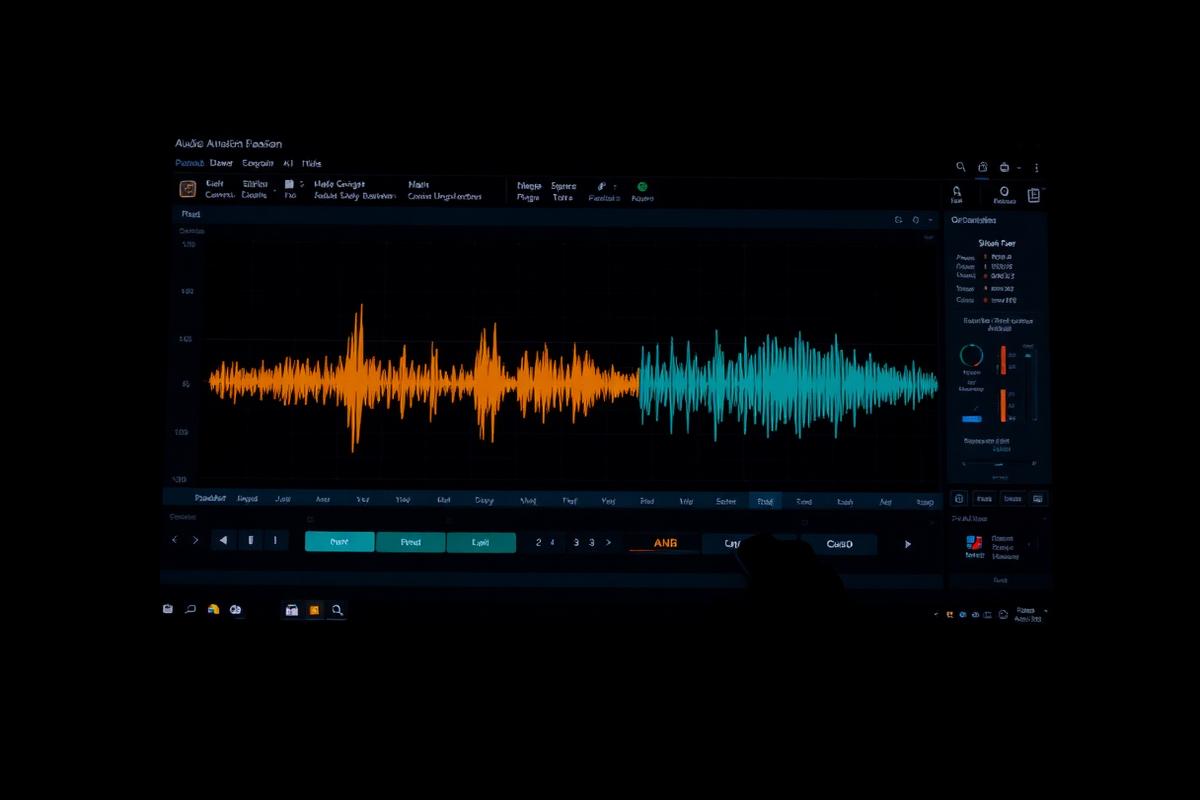
- Buyer
- Speech AI Companies
- Use case
- Speaker Diarisation
- Metric
- Diarisation error rate
Where the two meet
WER on Indian languages is dominated by dialect and code-mixing failures that generic corpora do not cover That is a speaker diarisation problem, and it is solved by data shaped like this:
- Per-speaker isolated channels with a mixed reference
- Genuine overlap preserved
- Turn-level ground truth
Your evaluation criteria
- Are train/dev/test splits speaker-disjoint by construction?
- Is transcription verbatim, with disfluencies preserved?
- Is per-token language ID available for code-mixed speech?
- Is inter-annotator agreement measured and reported?
Metrics
- Diarisation error rate
- Overlap detection recall
- Speaker-count accuracy
Pitfalls
- Overlap edited out during recording
- Single-channel-only capture leaving no reliable ground truth
Contract points
- Speaker-disjoint splits guaranteed contractually
- Right to publish benchmark results
- Re-record remedy for QA failures
Frequently asked
What does a first engagement look like?
Usually a scoped pilot: one language, an evaluation set plus a first training batch, delivered in three to five weeks, followed by the full programme.
Can you match our existing vendor's schema?
Yes. Working to your schema avoids a conversion pass and keeps deliveries comparable across vendors.
How is provenance documented?
Per-item contributor records and consent mapped to IDs in the manifest.
Send your requirement
Language, volume, metric, deadline.