Conversational speech · ଓଡ଼ିଆ
Odia Conversational Speech Data
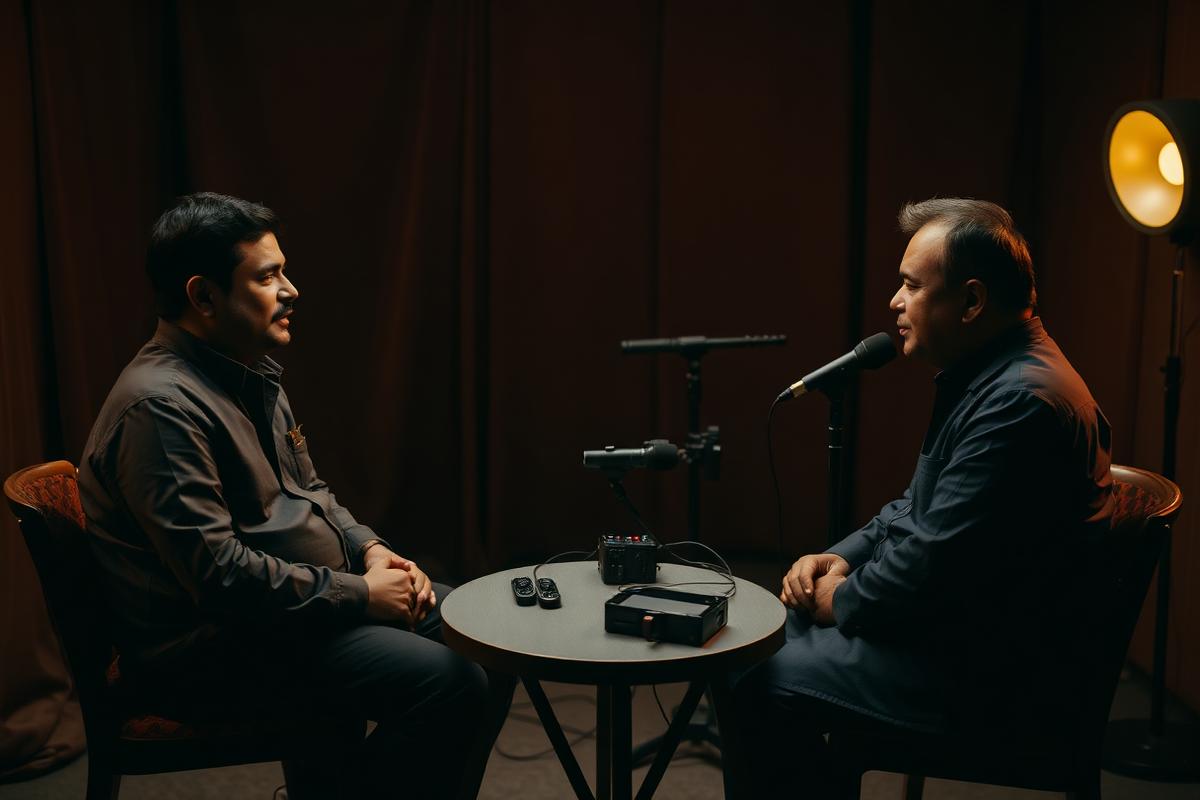
Natural two-party and multi-party conversation recorded with separate channels per speaker, covering the overlaps, interruptions and turn-taking that scripted data never produces. This page covers how that works specifically for Odia, where retains a distinct retroflex ଳ and a full retroflex series.
- Language
- Odia (or-IN)
- Dialects covered
- 5
- Typical programme
- 100-500 hours
- Cities
- Bhubaneswar, Cuttack, Sambalpur
What changes when the language is Odia
The service specification stays constant across languages; the linguistics do not. For Odia, three things drive the design of a conversational speech programme.
- Retains a distinct retroflex ଳ and a full retroflex series
- Dialect spread: Cuttack-Bhubaneswar standard, Sambalpuri (Kosli), Ganjami, Baleswari
- Urban Odia mixes Hindi and English; western Odisha mixes Chhattisgarhi and Sambalpuri forms.
Technical specification
| Parameter | Standard |
|---|---|
| Channels | One channel per speaker, time-aligned |
| Duration | 15-60 minutes per conversation |
| Topics | Scenario cards, free topics, or your domain scripts |
| Overlap | Preserved and tagged, never edited out |
| Metadata | Relationship between speakers, familiarity, topic, setting |
Odia cohort design
Western Odisha recruitment requires local field partners; remote-only recruitment yields an all-coastal cohort.
| Dimension | Typical split | Why it matters for Odia |
|---|---|---|
| Gender | 50 / 50 | Pitch range differences change acoustic model behaviour; unbalanced cohorts bias recognition |
| Age | 18-25: 30%, 26-40: 40%, 41-60: 30% | Older speakers retain conservative Odia forms that younger urban speakers have lost |
| Region | Odisha / parts of Jharkhand, West Bengal, Chhattisgarh and Andhra Pradesh and others | Dialect spread across 5 recognised varieties |
| Education | Mixed, including below-graduate | Prompt-reading fluency correlates with education and skews prosody |
| Condition | Studio / quiet room / field | Match the noise profile of your deployment |
Process
- Scenario design so conversations stay on-domain without becoming scripted
- Speaker pairing by familiarity level as specified
- Multi-channel recording with per-speaker isolation
- Diarisation-ready packaging
- Verbatim transcription with speaker turns and overlap tags
Odia-specific quality rules
- Sambalpuri normalised into coastal Odia
- Unicode confusables between Odia and Bengali characters when transcribers reuse tooling
- Inconsistent handling of tribal-language loanwords
Conversations are checked for naturalness, not just audio quality. Sessions that drift into reading are rejected.
Deliverables
- Per-speaker channels plus mixed reference
- Turn-level transcripts
- Overlap and backchannel tags
- Conversation metadata
Worked example
A representative Odia conversational speech engagement: 100 hours from 300 speakers, 50/50 gender, ages 18-45, spread across Bhubaneswar, Cuttack, Sambalpur, recorded to the specification above and delivered in WAV with a per-utterance manifest.
Timeline: 4-7 weeks for 100-300 hours in one language.
Where this data is missing today
Odia is one of the least-resourced major Indian languages. Sambalpuri and Ganjami are effectively absent from public data.
Frequently asked
How much does Odia conversational speech cost?
Priced per delivered hour or unit against a written spec. The cost drivers for Odia are dialect spread, demographic narrowness and recording condition, in that order.
Which Odia dialects are included?
By default Cuttack-Bhubaneswar standard, Sambalpuri (Kosli), Ganjami, Baleswari and others, tagged per speaker. You can also commission a single-dialect corpus if you are targeting one region.
Can you deliver Odia data in our format?
Yes. Per-speaker channels plus mixed reference is the default, but naming, schema and directory structure follow your pipeline.
How long does a Odia programme take?
4-7 weeks for 100-300 hours in one language.
Request a Odia conversational speech quote
Hours, speakers, dialects, deadline. Send what you have.