Multilingual collection · తెలుగు
Telugu Multilingual Data Collection
Parallel programmes across several Indian languages at once, run to one specification so the resulting datasets are comparable rather than a set of incompatible deliveries. This page covers how that works specifically for Telugu, where vowel-length contrasts are phonemic and short/long confusion changes meaning outright.
- Language
- Telugu (te-IN)
- Dialects covered
- 4
- Typical programme
- 500-2,000 hours
- Cities
- Hyderabad, Vijayawada, Visakhapatnam
What changes when the language is Telugu
The service specification stays constant across languages; the linguistics do not. For Telugu, three things drive the design of a multilingual collection programme.
- Vowel-length contrasts are phonemic and short/long confusion changes meaning outright
- Dialect spread: Telangana, Coastal Andhra (Godavari), Rayalaseema, Srikakulam
- Hyderabad speech mixes Telugu, Urdu/Deccani, Hindi and English. A Telugu dataset for Hyderabad deployment must include Urdu-origin vocabulary.
Technical specification
| Parameter | Standard |
|---|---|
| Languages | Up to 14 Indian languages plus Indian English in one programme |
| Consistency | One spec, one manifest schema, one QA standard across all languages |
| Balance | Per-language quotas set independently to match your deployment mix |
| Reporting | Single consolidated progress view across languages |
Telugu cohort design
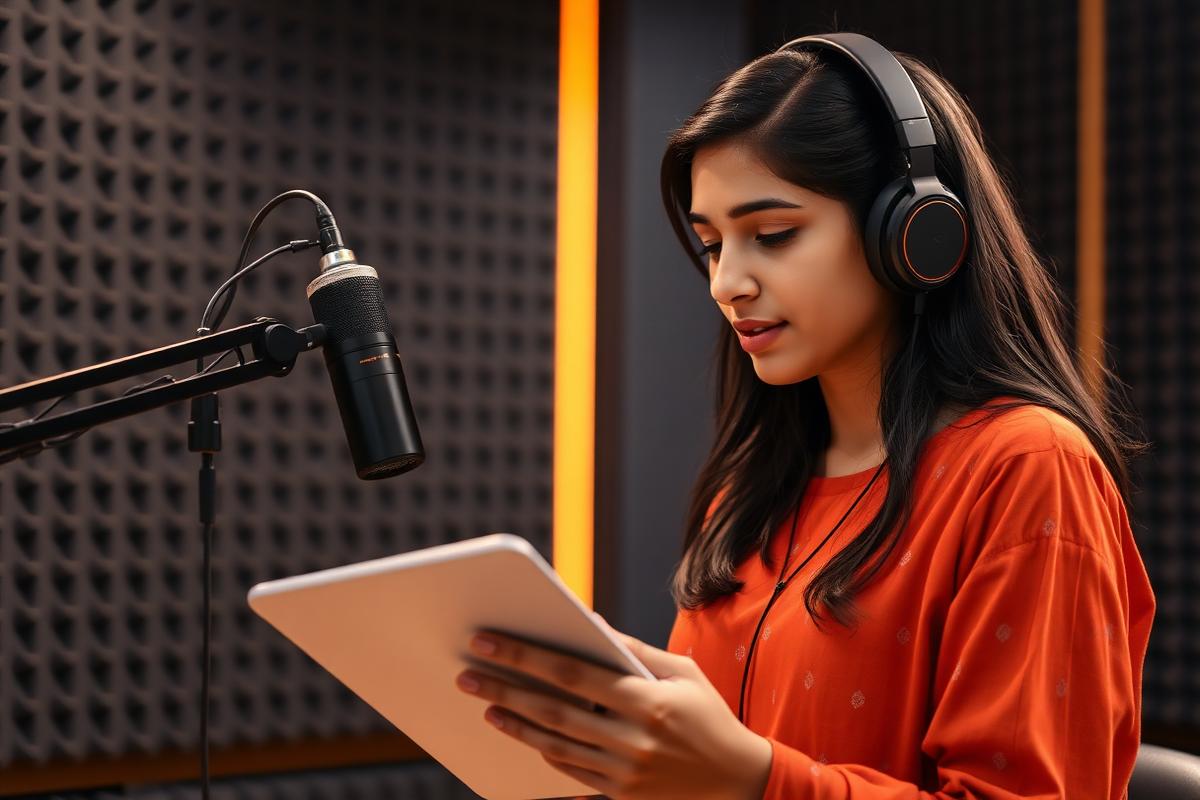
Split cohorts explicitly between Telangana and Andhra Pradesh and tag every speaker; models trained without the tag cannot be evaluated per region.
| Dimension | Typical split | Why it matters for Telugu |
|---|---|---|
| Gender | 50 / 50 | Pitch range differences change acoustic model behaviour; unbalanced cohorts bias recognition |
| Age | 18-25: 30%, 26-40: 40%, 41-60: 30% | Older speakers retain conservative Telugu forms that younger urban speakers have lost |
| Region | Andhra Pradesh / Telangana / parts of Karnataka and Odisha and others | Dialect spread across 4 recognised varieties |
| Education | Mixed, including below-graduate | Prompt-reading fluency correlates with education and skews prosody |
| Condition | Studio / quiet room / field | Match the noise profile of your deployment |
Process
- Master specification written once and localised per language
- Per-language linguistic review of prompts and guides
- Parallel fielding across studio cities
- Central QA applying identical thresholds
- Consolidated delivery with per-language reports
Telugu-specific quality rules
- Telangana forms normalised to Coastal Andhra standard
- Long/short vowel marking errors under time pressure
- Urdu loanwords rendered inconsistently in Telugu script
The hardest language sets the timeline. Low-resource languages such as Assamese and Odia should start first.
Deliverables
- Per-language datasets in one schema
- Cross-language coverage report
- Consolidated QA summary
Worked example
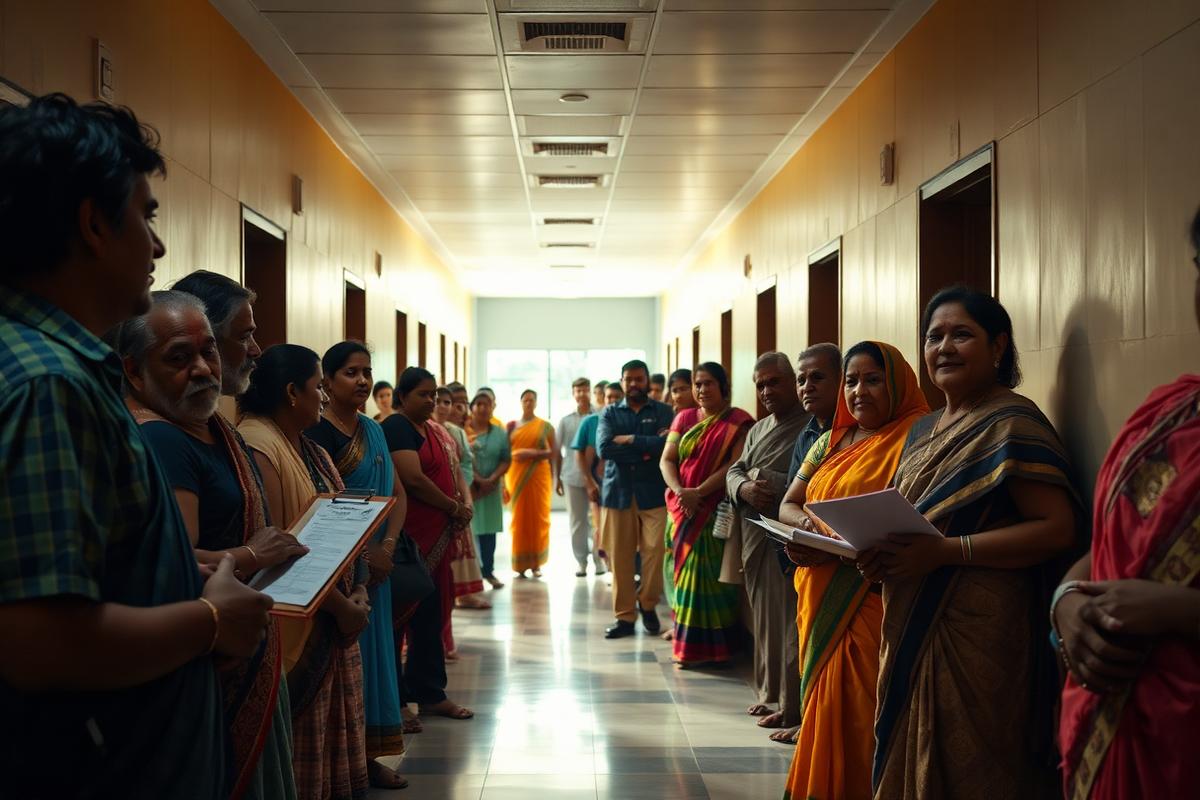
A representative Telugu multilingual collection engagement: 500 hours from 1,000 speakers, 50/50 gender, ages 18-45, spread across Hyderabad, Vijayawada, Visakhapatnam, recorded to the specification above and delivered in WAV with a per-utterance manifest.
Timeline: 6-12 weeks for a multi-language programme, depending on the smallest-pool language in scope.
Where this data is missing today
Coastal Andhra read speech dominates. Telangana rural and Rayalaseema speech is thin, despite Hyderabad being the largest deployment market.
Frequently asked
How much does Telugu multilingual collection cost?
Priced per delivered hour or unit against a written spec. The cost drivers for Telugu are dialect spread, demographic narrowness and recording condition, in that order.
Which Telugu dialects are included?
By default Telangana, Coastal Andhra (Godavari), Rayalaseema, Srikakulam and others, tagged per speaker. You can also commission a single-dialect corpus if you are targeting one region.
Can you deliver Telugu data in our format?
Yes. Per-language datasets in one schema is the default, but naming, schema and directory structure follow your pipeline.
How long does a Telugu programme take?
6-12 weeks for a multi-language programme, depending on the smallest-pool language in scope.
Request a Telugu multilingual collection quote
Hours, speakers, dialects, deadline. Send what you have.