TTS datasets · Speaker Diarisation
TTS Training Data for Speaker Diarisation
Single-speaker and multi-speaker text-to-speech corpora with phonetically balanced scripts, consistent prosody, and studio-grade capture suitable for neural TTS. Applied to speaker diarisation, the specification is driven by one thing: diarisation error rate.
- Service
- TTS datasets
- Use case
- Speaker Diarisation
- Primary metric
- Diarisation error rate
Required data profile
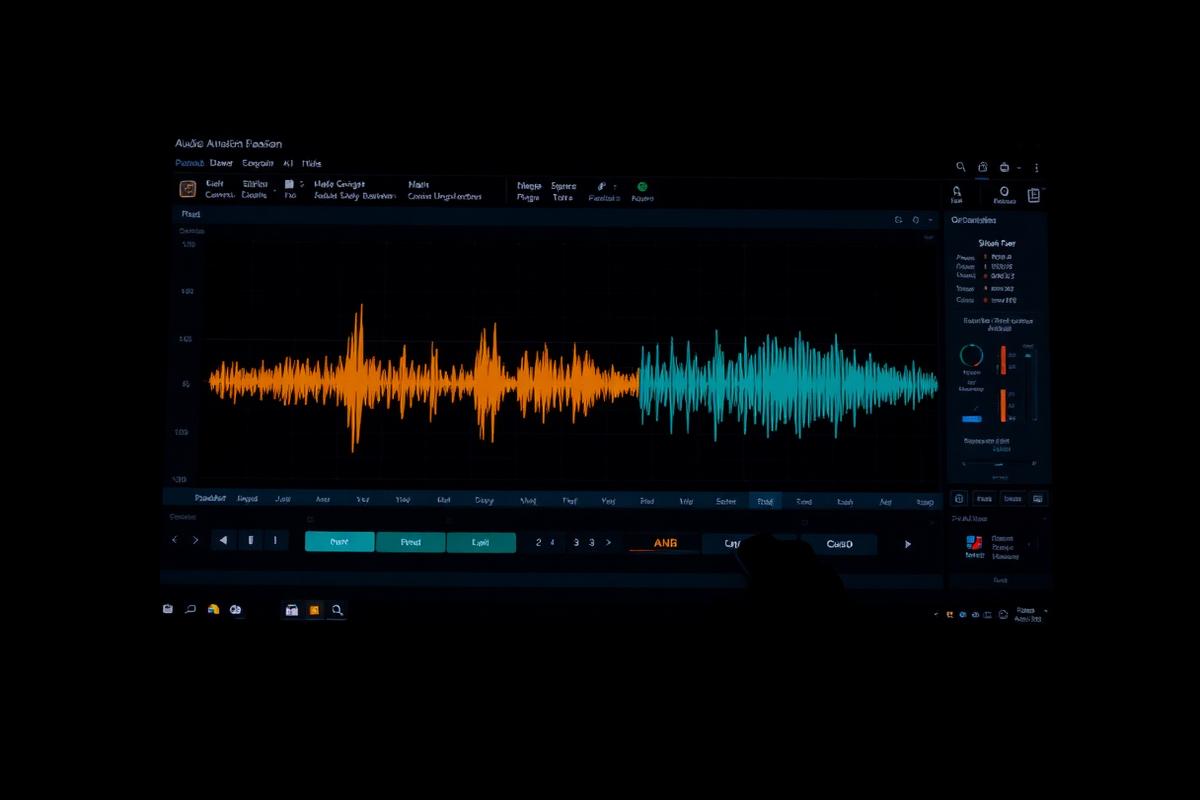
- Per-speaker isolated channels with a mixed reference
- Genuine overlap preserved
- Turn-level ground truth
Technical specification
| Parameter | Standard |
|---|---|
| Sample rate | 48 kHz, 24-bit |
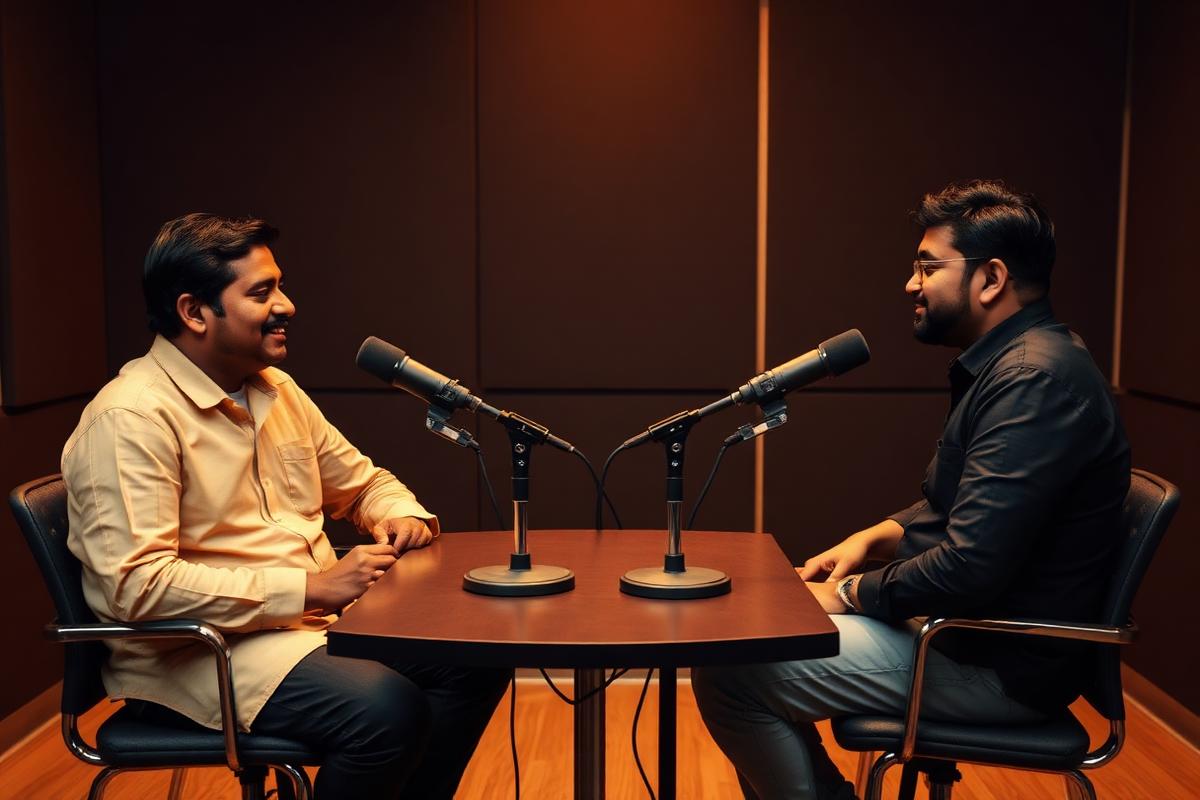
| Speaker consistency | Same booth, mic, distance and time-of-day banding across sessions |
| Script | Phonetically balanced, diphone-covering, domain-extended |
| Prosody | Neutral base set plus optional expressive styles |
| Alignment | Text-audio alignment verified per utterance |
| Silence | Leading/trailing silence trimmed to a fixed window |
Process
- Script generation with phoneme and diphone coverage analysis
- Voice casting with client shortlisting from audition samples
- Multi-session recording with drift monitoring between sessions
- Alignment verification and mispronunciation review by a linguist
- Delivery with a coverage report
Metrics this feeds
- Diarisation error rate
- Overlap detection recall
- Speaker-count accuracy
Failure modes to design out
- Overlap edited out during recording
- Single-channel-only capture leaving no reliable ground truth
Session drift is the main TTS killer. Every session is compared acoustically against the reference session and re-recorded if it drifts.
Deliverables
- Studio WAV per utterance
- Verified transcripts and pronunciation notes
- Phoneme coverage report
- Voice talent licence and consent documentation
Frequently asked
Is tts datasets the right service for speaker diarisation?
It covers per-speaker isolated channels with a mixed reference. Most speaker diarisation programmes combine it with at least one other service; we will say so in the scope rather than selling one line item.
What languages are available?
All 14 languages in the network plus Indian English accent bands.
How is the evaluation set handled?
Collected first, from speakers disjoint from the training cohort, so improvement is measurable.
Scope tts datasets for speaker diarisation
Send the metric you need to move.