Call-centre speech · اردو
Urdu Call Centre Speech Data
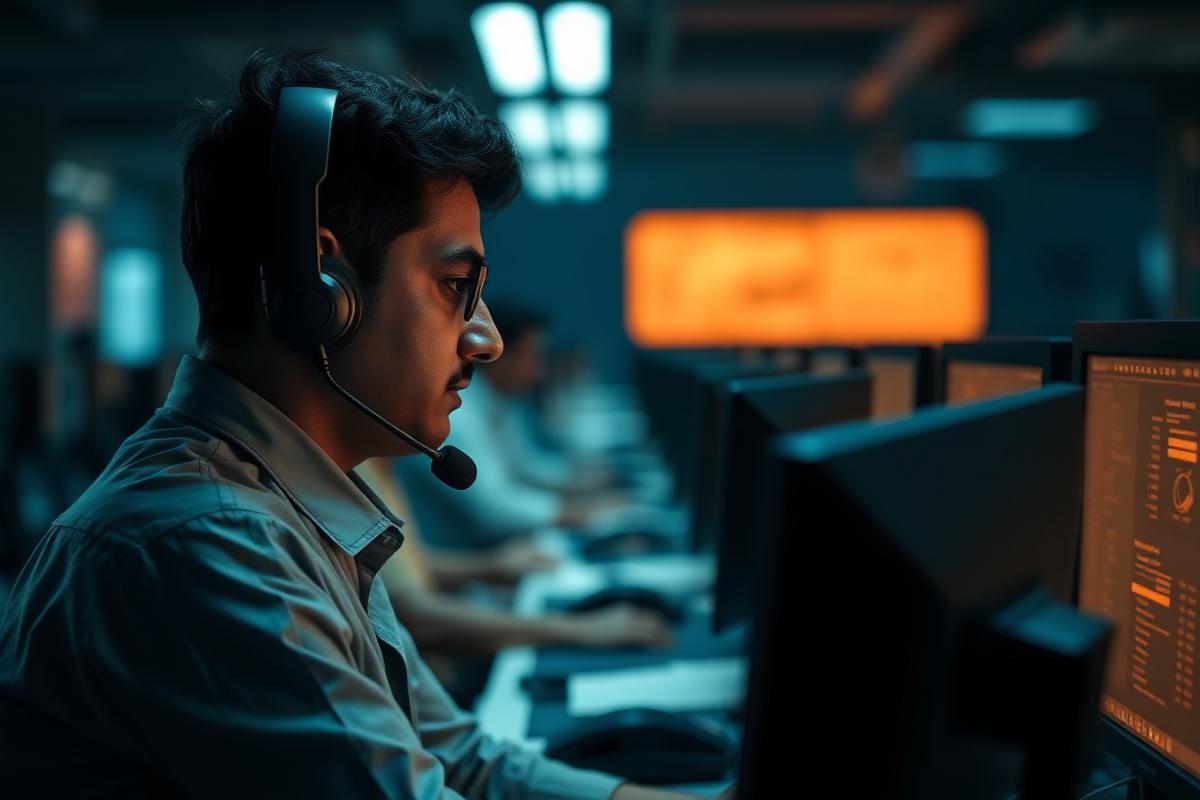
Simulated and consented real-world contact-centre audio in Indian languages, recorded over telephony-grade channels so it matches the bandwidth your production system actually sees. This page covers how that works specifically for Urdu, where shares most phonology with hindi but adds perso-arabic phonemes (/q/, /x/, /ɣ/, /z/, /f/) that many speakers merge.
- Language
- Urdu (ur-IN)
- Dialects covered
- 5
- Typical programme
- 250-1,000 hours
- Cities
- Hyderabad, Lucknow, Delhi
What changes when the language is Urdu
The service specification stays constant across languages; the linguistics do not. For Urdu, three things drive the design of a call-centre speech programme.
- Shares most phonology with Hindi but adds Perso-Arabic phonemes (/q/, /x/, /ɣ/, /z/, /f/) that many speakers merge
- Dialect spread: Dakhini (Hyderabad), Lucknawi, Dehlvi, Bihari Urdu
- Spoken Urdu and spoken Hindi are largely mutually intelligible; the distinction is mainly lexical and orthographic. Decide up front whether transcription is in Nastaliq, Devanagari, or both.
Technical specification
| Parameter | Standard |
|---|---|
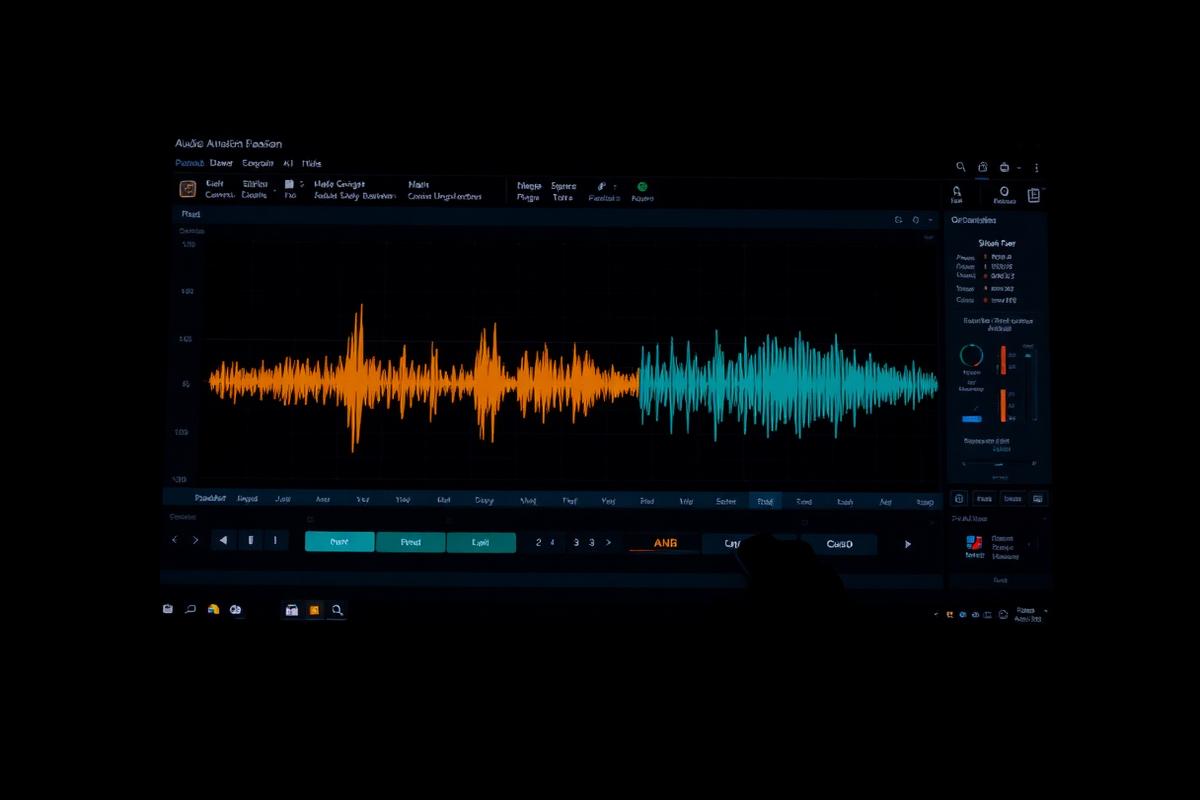
| Channel | 8 kHz narrowband telephony plus 48 kHz reference where required |
| Codec | G.711 / Opus simulated to match your stack |
| Structure | Agent and customer on separate channels |
| Scenarios | Billing, delivery, KYC, recharge, collections, support, sales |
| Emotion | Neutral, frustrated and escalated variants on request |
Urdu cohort design
Fix the script decision before fielding; retro-transcribing a Nastaliq dataset into Devanagari after delivery costs as much as the original transcription pass.
| Dimension | Typical split | Why it matters for Urdu |
|---|---|---|
| Gender | 50 / 50 | Pitch range differences change acoustic model behaviour; unbalanced cohorts bias recognition |
| Age | 18-25: 30%, 26-40: 40%, 41-60: 30% | Older speakers retain conservative Urdu forms that younger urban speakers have lost |
| Region | Uttar Pradesh / Telangana / Bihar and others | Dialect spread across 5 recognised varieties |
| Education | Mixed, including below-graduate | Prompt-reading fluency correlates with education and skews prosody |
| Condition | Studio / quiet room / field | Match the noise profile of your deployment |
Process
- Scenario library built from your call taxonomy
- Agent-side speakers briefed on your script and tone
- Recording over the specified codec path
- Transcription with intent and outcome labels
- Delivery with per-scenario counts
Urdu-specific quality rules
- Right-to-left Nastaliq tooling errors and diacritic loss
- Merged phonemes transcribed by sound rather than by etymology, or vice versa, inconsistently
- Dakhini forms replaced with standard Urdu
Narrowband is simulated at capture time, not by downsampling clean studio audio, which would leave unrealistic artefacts.
Deliverables
- Dual-channel call audio
- Verbatim transcripts
- Intent, outcome and sentiment labels
- Scenario coverage matrix
Worked example
A representative Urdu call-centre speech engagement: 250 hours from 500 speakers, 50/50 gender, ages 18-45, spread across Hyderabad, Lucknow, Delhi, recorded to the specification above and delivered in WAV with a per-utterance manifest.
Timeline: 3-6 weeks for 100-250 hours.
Where this data is missing today
Indian Urdu specifically, and Dakhini in particular, are absent from public data dominated by Pakistani Urdu broadcast speech.
Frequently asked
How much does Urdu call-centre speech cost?
Priced per delivered hour or unit against a written spec. The cost drivers for Urdu are dialect spread, demographic narrowness and recording condition, in that order.
Which Urdu dialects are included?
By default Dakhini (Hyderabad), Lucknawi, Dehlvi, Bihari Urdu and others, tagged per speaker. You can also commission a single-dialect corpus if you are targeting one region.
Can you deliver Urdu data in our format?
Yes. Dual-channel call audio is the default, but naming, schema and directory structure follow your pipeline.
How long does a Urdu programme take?
3-6 weeks for 100-250 hours.
Request a Urdu call-centre speech quote
Hours, speakers, dialects, deadline. Send what you have.