Collection guides
How do you collect Bengali speech data for ASR training?
Updated 2026-08-01 · 4 min read
Short answer
Collect Bengali speech data by fixing the corpus specification first — 500–2,000 hours of audio from 1,000–3,000 native speakers, split across Kolkata standard (Rarhi), Sylheti-influenced, Rangpuri / North Bengal dialects and balanced for gender, age and recording condition. Recruit in West Bengal, Tripura where the target varieties are actually spoken, record to one written protocol (16 kHz telephony or 48 kHz studio), transcribe in Bengali with a documented convention for kolkata professional speech mixes english heavily; rural west bengal much less. a single 'bengali' dataset without register tags conflates two very different acoustic and lexical distributions., and accept the corpus against measured WER and metadata completeness rather than studio hours consumed.
Key takeaways
- Bengali has roughly 97 million speakers across West Bengal, Tripura, Assam (Barak Valley); a corpus that samples only one state will not generalise.
- Budget 500–2,000 hours for a first production ASR corpus, and at least 1,000–3,000 distinct speakers to avoid speaker overfitting.
- The hardest part is not recording — it is recruitment, dialect quotas, consent and transcription consistency across cities.
Step 1 — Write the Bengali corpus specification
A specification is the contract everything else runs against. For Bengali it must state the hours or speaker count, the dialect split across Kolkata standard (Rarhi), Sylheti-influenced, Rangpuri / North Bengal, Medinipuri, the demographic quotas, the recording condition, the transcription convention and the acceptance criteria.
Where teams get this wrong is by specifying hours without specifying speakers. Two hundred hours from eighty speakers trains a model that recognises eighty voices. The speaker count is the variable that governs generalisation, and for Bengali we recommend 1,000–3,000 distinct participants.
Step 2 — Set quotas before recruiting
Quotas are set before the first session and tracked daily. Retrofitting a quota after 60% of collection is complete usually means discarding data, because the remaining pool cannot correct the imbalance.
| Quota dimension | Typical target | Reason |
|---|---|---|
| Speakers | 1,000–3,000 | Enough distinct voices that the model learns Bengali phonology rather than a handful of speakers |
| Gender | 50 / 50 | Pitch and formant range differ; unbalanced cohorts bias recognition |
| Age | 18–25: 30%, 26–40: 40%, 41–60: 30% | Older speakers keep conservative Bengali forms younger urban speakers have dropped |
| Region | West Bengal, Tripura, Assam (Barak Valley) | Covers 5 recognised dialect varieties |
| Condition | Studio / quiet room / field / telephony | Match the acoustic profile of your deployment |
Step 3 — Design the Bengali prompt script
Scripted prompts must be phonetically balanced for Bengali, covering Inherent vowel is realised as /ɔ/ or /o/, which breaks G2P rules copied from Devanagari-based systems, No phonemic distinction between শ ষ স in most speech despite three orthographic characters, Consonant clusters simplify in colloquial speech in ways read prompts never capture in sufficient density. Generic translated English scripts produce corpora that miss exactly the contrasts an ASR model struggles with.
Alongside scripted material, collect spontaneous speech. Indian Bengali is under-collected relative to Bangladeshi Bengali, and North Bengal and Tripura varieties are almost entirely missing. Spontaneous data is where the disfluencies, hesitations and natural prosody live, and models trained only on read speech degrade sharply on real users.
Step 4 — Recording protocol and capture chain
- 48 kHz / 24-bit studio capture where the deployment is app or device audio; 8 kHz narrowband captured over a real telephony path where the deployment is a contact centre
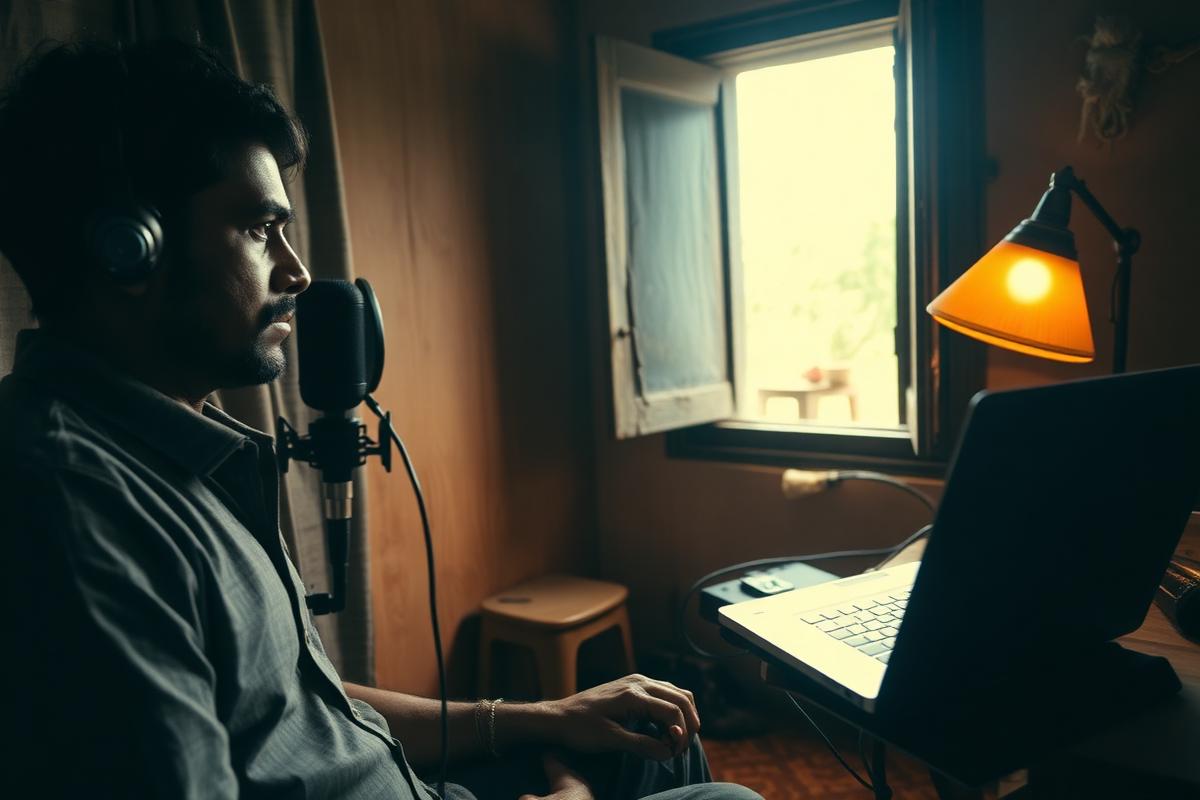
- Documented microphone and interface chain per studio so files from different cities are interchangeable
- Automated checks for clipping, DC offset, noise floor and silence ratio on ingest
- Speaker metadata recorded at session time — dialect, district, age band, gender, education, device
- Written consent in the speaker's own language, retained for audit and covering commercial model training
Step 5 — Transcription and annotation in Bengali
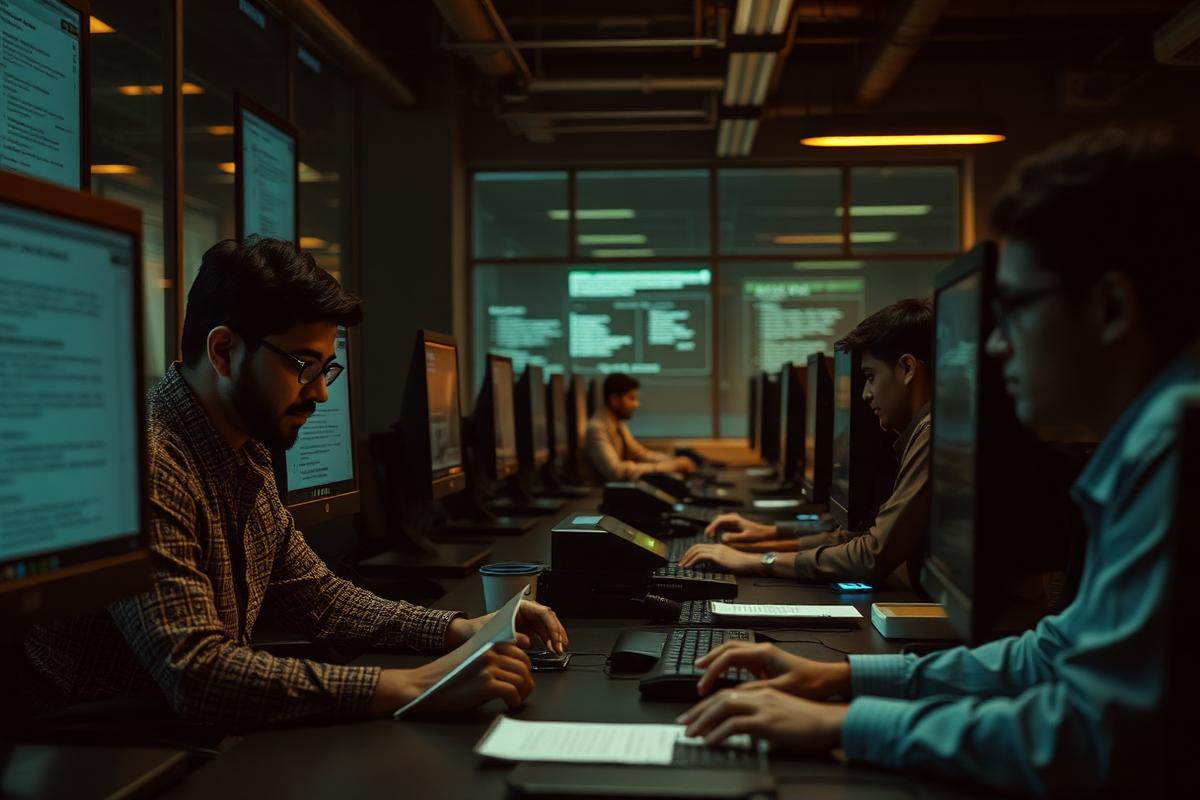
Transcription is where Bengali corpora most often fail acceptance. Three sibilant characters chosen inconsistently for the same sound Bangladeshi vs Indian Bengali orthographic conventions mixed within one dataset Verb conjugation register (cholit vs sadhu) normalised by transcribers
Kolkata professional speech mixes English heavily; rural West Bengal much less. A single 'Bengali' dataset without register tags conflates two very different acoustic and lexical distributions. Decide the convention in advance — native script throughout, Roman for embedded English, or a tagged hybrid — and publish it as a style guide with worked examples. Two-pass QA by a second native reviewer measures against that guide rather than against personal preference.
Step 6 — Acceptance and delivery
Acceptance should be measurable: transcript accuracy sampled per batch, metadata completeness at 100%, audio validation pass rate, and quota adherence within an agreed tolerance. Deliver in your ingest format — WAV plus JSON or TSV manifests, with speaker IDs preserved and a consent register attached.
Roll delivery in batches rather than one final handover. Batch delivery lets your team catch a format mismatch in week two instead of week ten, and lets training start before collection ends.
Recruitment reality in Bengali-speaking regions
Tag every speaker as Indian Bengali and record district of origin; mixing in Bangladeshi speech without tags is a common and costly dataset defect.
Our studio network covers Kolkata, Siliguri, Durgapur, which is what makes dialect quotas achievable without contracting a separate vendor per state.
Frequently asked questions
How many hours of Bengali speech data do I need for a usable ASR model?
500–2,000 hours is the usual first production corpus for Bengali, on top of any pretrained multilingual base. Fine-tuning an existing multilingual model can show measurable gains from 50–100 hours if the data matches your deployment acoustics.
How many speakers should a Bengali dataset have?
1,000–3,000 distinct native speakers. Speaker diversity matters more than raw hours once you are past the first hundred hours.
Which Bengali dialects should be covered?
At minimum Kolkata standard (Rarhi), Sylheti-influenced, Rangpuri / North Bengal. Which ones dominate your quota depends on where your users are, not on which dialect is considered standard.
How is code-mixing handled in Bengali transcripts?
Kolkata professional speech mixes English heavily; rural West Bengal much less. A single 'Bengali' dataset without register tags conflates two very different acoustic and lexical distributions. We fix the convention in the style guide before collection and QA against it, because inconsistent code-mix handling is a common cause of silent WER inflation.
How long does a Bengali collection take?
A 100–300 hour Bengali programme typically runs 3–6 weeks from signed scope to final delivery, with rolling batches from week two.
Related reading
Turn this into a dataset specification
Tell us the languages, speaker count and minutes. You get a written scope, a protocol and a fixed price within one working day.